
Grandmother and Grandchildren Memory Book: 8 Pages From Everyday Photos
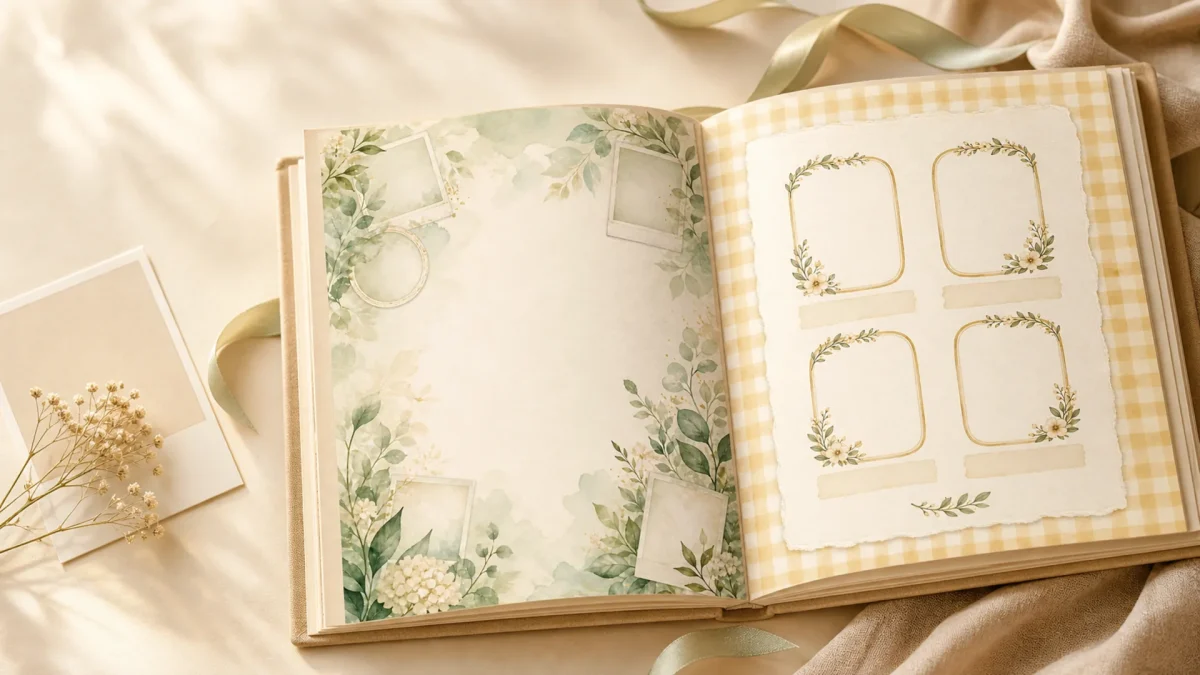
Quick answer: A family memory book becomes valuable when it records ordinary time together: a meal, a walk, a saying, a recipe or the way a child helped.
Editorial note: This guide is based on the current ScrapBujo catalog and practical craft-planning principles. The featured image is an AI-assisted editorial mockup built from the actual collection previews shown below; it is not presented as a photograph of a completed print test.
Who this helps
This is for families who want a keepsake that children can help make and grandparents can read without needing a perfect archive of photographs.
What to gather before you start
- Eight to twelve everyday photographs
- Short notes gathered from more than one family member
- A folder for recipes, cards or ticket stubs
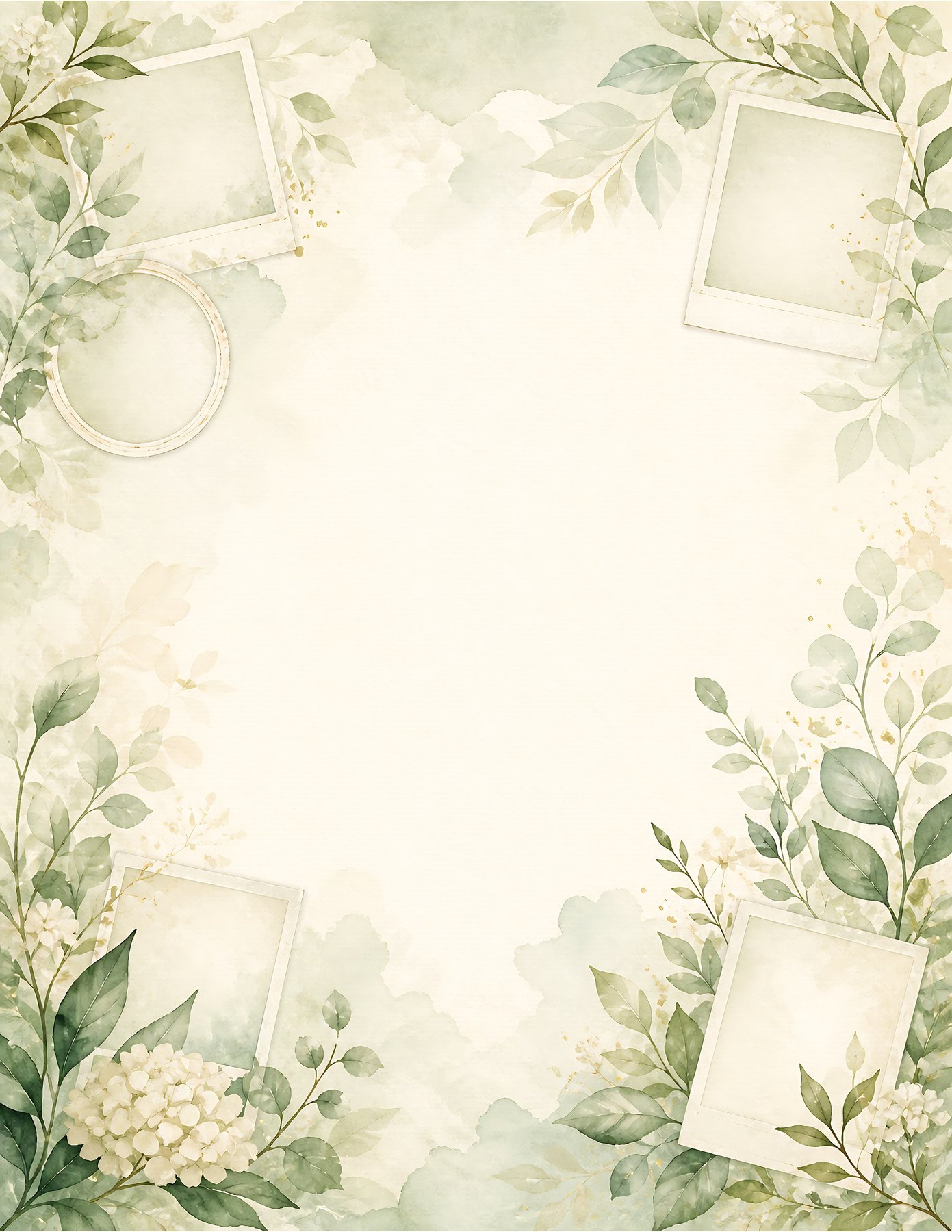
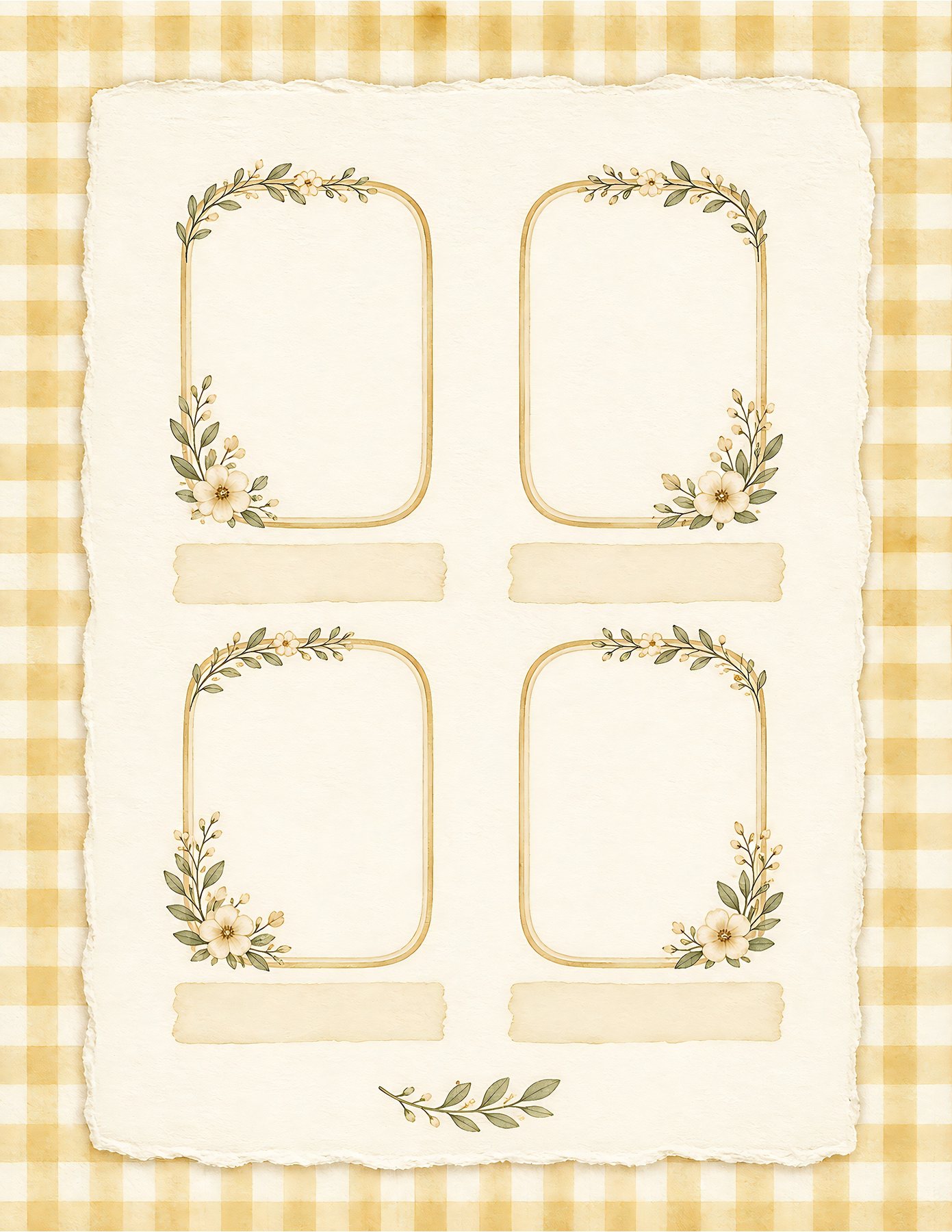
- The actual floral label previews shown below
- A pen that is comfortable for short handwriting
A practical plan
Open with a shared ritual
Choose breakfast, a weekly call, a garden visit or another repeated moment. The first page should explain the relationship through an action, not only through names and dates.
Give each person a voice
Leave one small prompt for the grandmother and one for the child. Different handwriting, wording and drawing styles make the book feel lived in and protect it from sounding like one person reconstructed the whole story.
Use labels as safe structure
The supplied floral frames can hold names, places, favorite foods or a short quote. Keep labels short so the page remains readable and the paper’s blank spaces stay useful.
Include a small imperfection
A crooked cookie, muddy shoe, half-finished craft or funny mistake can carry more emotional information than a posed portrait. Ask what happened before and after the photograph.
Add one recipe or instruction
A recipe, gardening tip or game rule makes the book useful as well as sentimental. Attribute it to the person who shared it so the page retains the family source.
Finish with a future question
Close with something the children can answer later: what should we repeat, what should we learn next or where should we go together? The question keeps the album open.
Common mistake to avoid
The common mistake is making every page a formal portrait. Mix people with hands, objects, places and small pieces of language so the relationship feels real.
Questions to answer before buying
- Whose memory is represented on this page?
- Can a child contribute without needing perfect handwriting?
- What source confirms the recipe, quote or date?
- Will the page still make sense without a caption from the original photographer?
Make the first session small
Start with one finished surface, not the entire project. For this guide, begin with eight to twelve everyday photographs and one clear memory or use case. A small first session makes it easier to notice whether the paper, scale and writing space are doing their jobs before you spend time trimming every piece.
Run a useful quality check
After one sample or one assembled page, check four things: the main subject is visible, the writing can be read at normal size, the edges are not accidentally cropped and the page still makes sense without an explanation from the maker. If the project is printed, compare the result with the screen and record the printer, paper and scale setting. Colors can vary with screen, printer, ink, paper and print settings.
Keep a project note for next time
- Record the collection name and exact format used.
- Note which paper became the background and which became the accent.
- Write down the size of the photograph, card or tag that fit comfortably.
- Save one sentence describing what you would change on the next page.
- Keep the source link with the finished project so file details and current offers can be checked later.
Mini FAQ
Whose memory is represented on this page?
Answer it before you buy or print. The collection page and the exact Etsy listing should confirm the file count, size, delivery method and current eligibility; a styled mockup can show a possible arrangement but cannot confirm those commercial details.
What if the first layout feels too busy?
Remove one layer before adding another. Keep the focal photograph, the most useful writing area and one paper surface; store the remaining pieces for the facing page or a later project.
What if the project changes halfway through?
That is normal. Keep the original source files and note the change rather than forcing the page to match the first idea. A documented adjustment is more useful than a polished page whose process cannot be repeated. Add the date, format and reason for the change so another person can understand the decision later.
Collection previews used in this guide
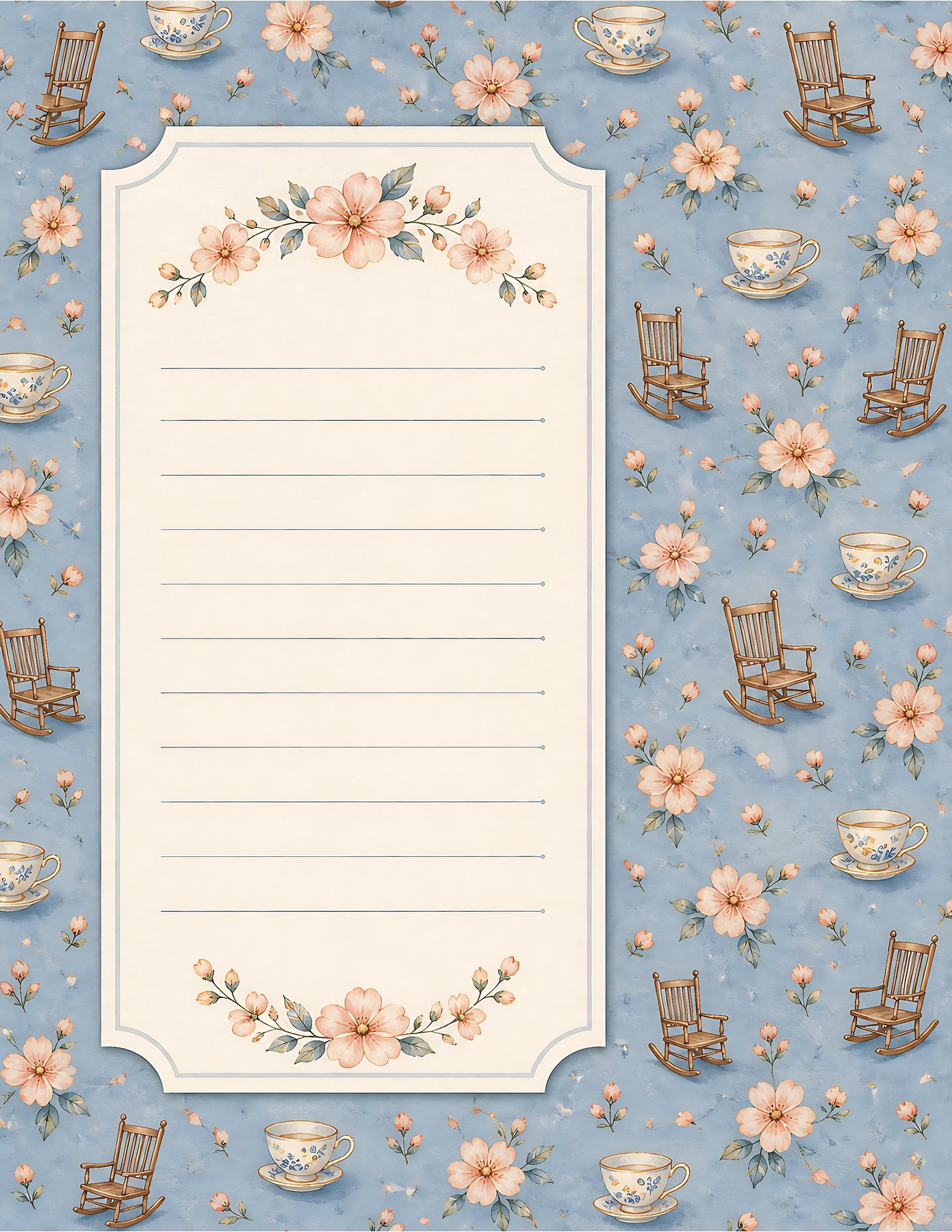
These are current ScrapBujo collection previews, not substitute artwork. They show the paper surfaces and formats discussed below.
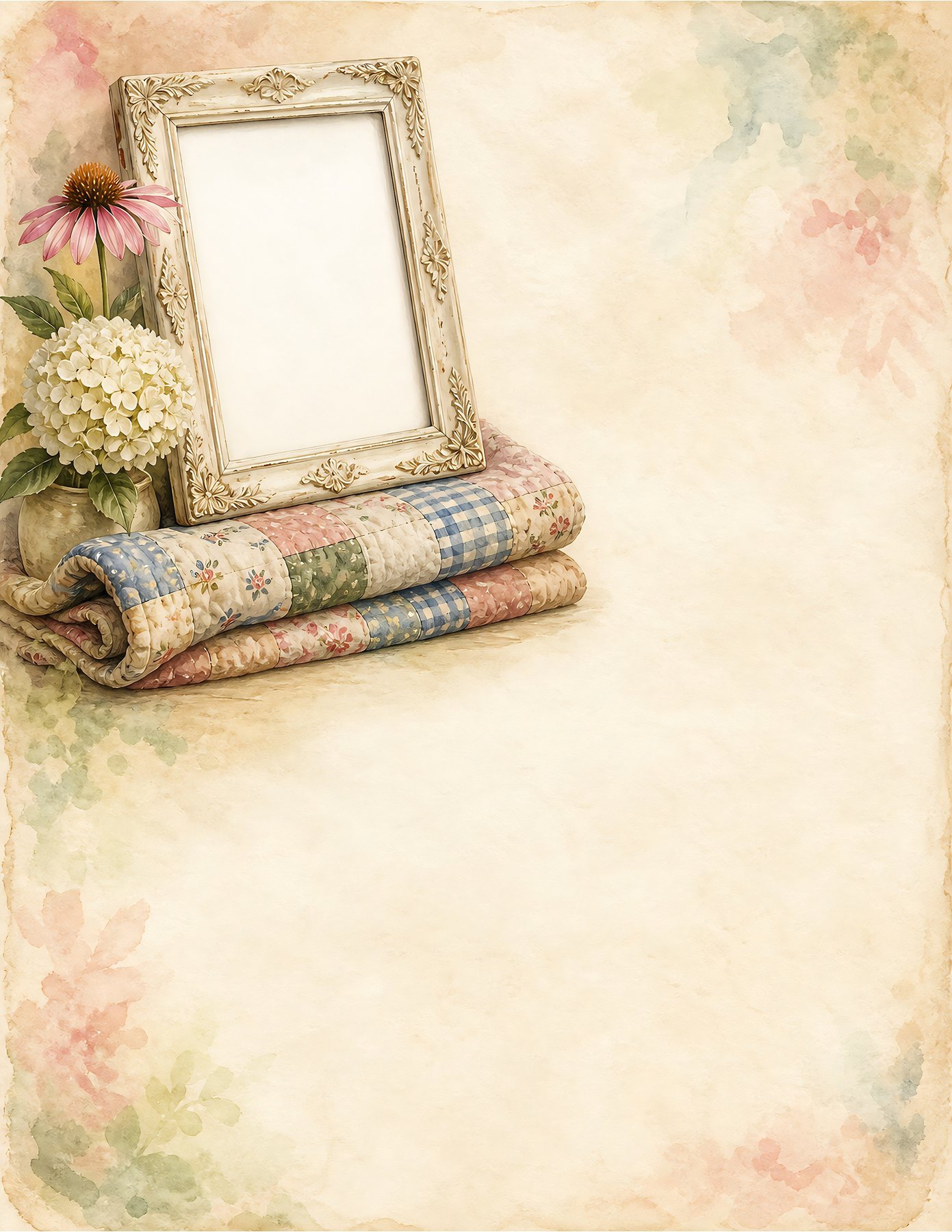
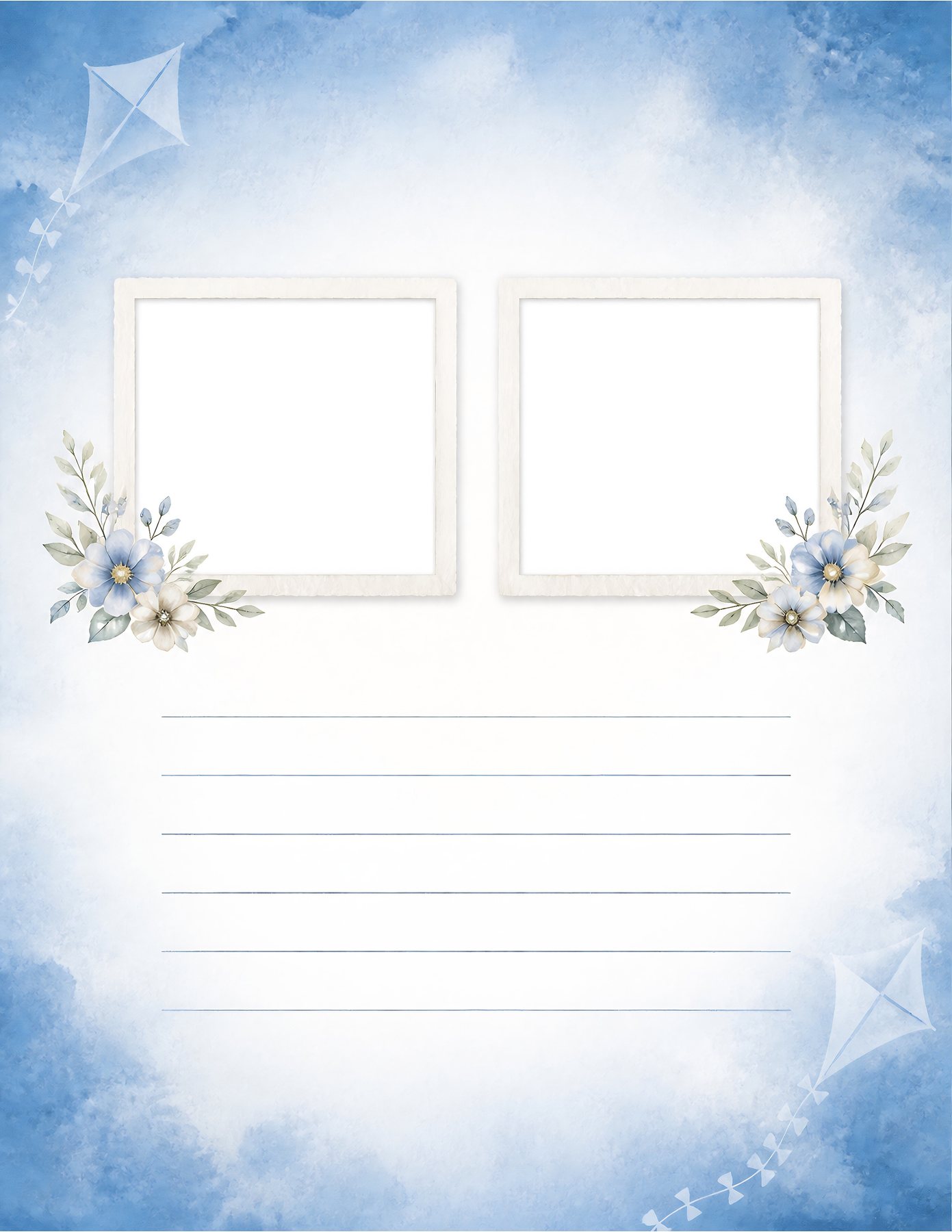
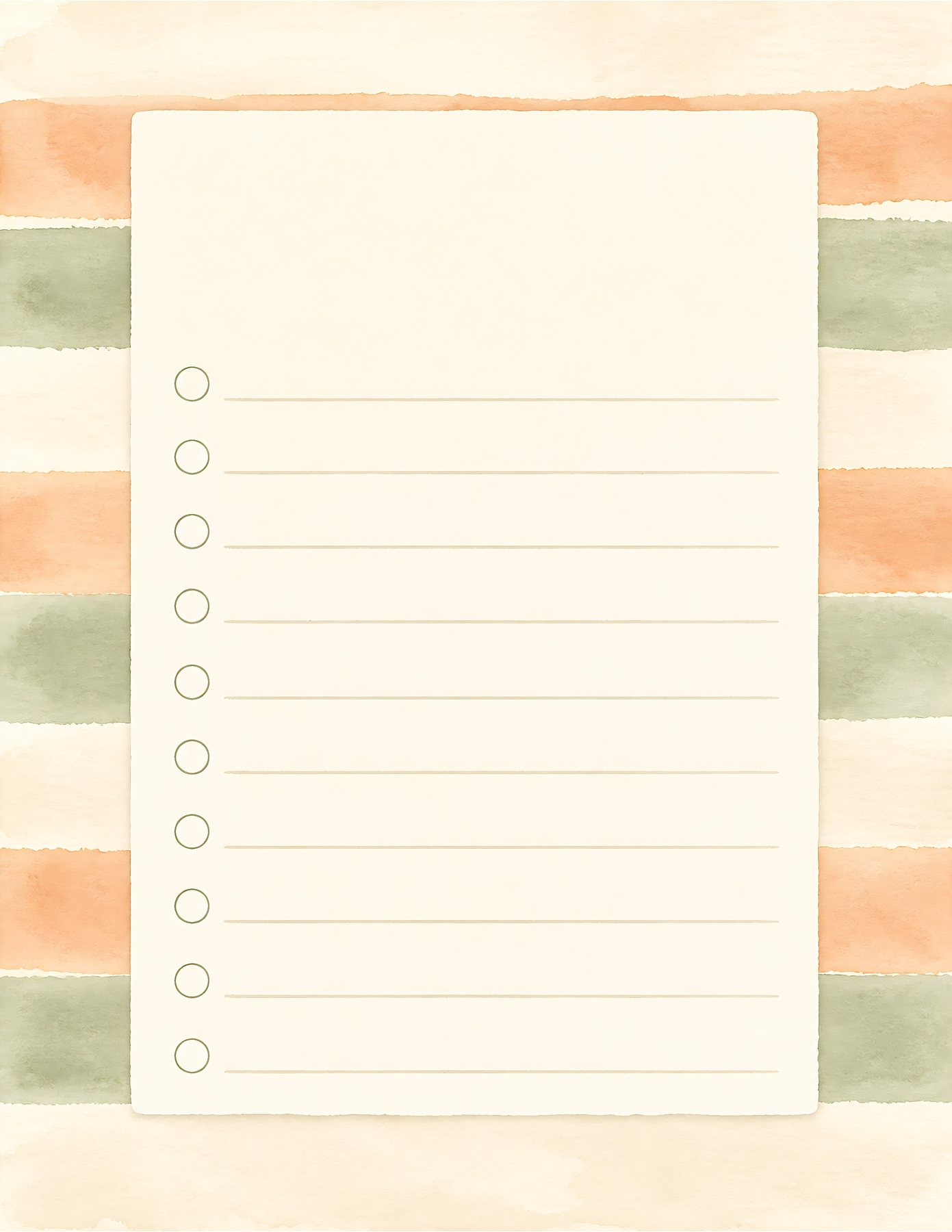
Related free samples: Browse free printable samples before choosing a full pack.
Explore ScrapBujo digital collections
Explore the related digital collection
Review the collection previews and current file details before choosing a format.

300 DPI Digital download
Digital Scrapbook Papers
Grandchildren Memories With Grandma And
Explore 40 coordinated digital scrapbook papers from the ScrapBujo Grandchildren Memories With Grandma…
Each product page identifies its checkout, current price, and digital delivery details.