
A South Korea Travel Scrapbook: 7 Details to Save Beyond the Photos
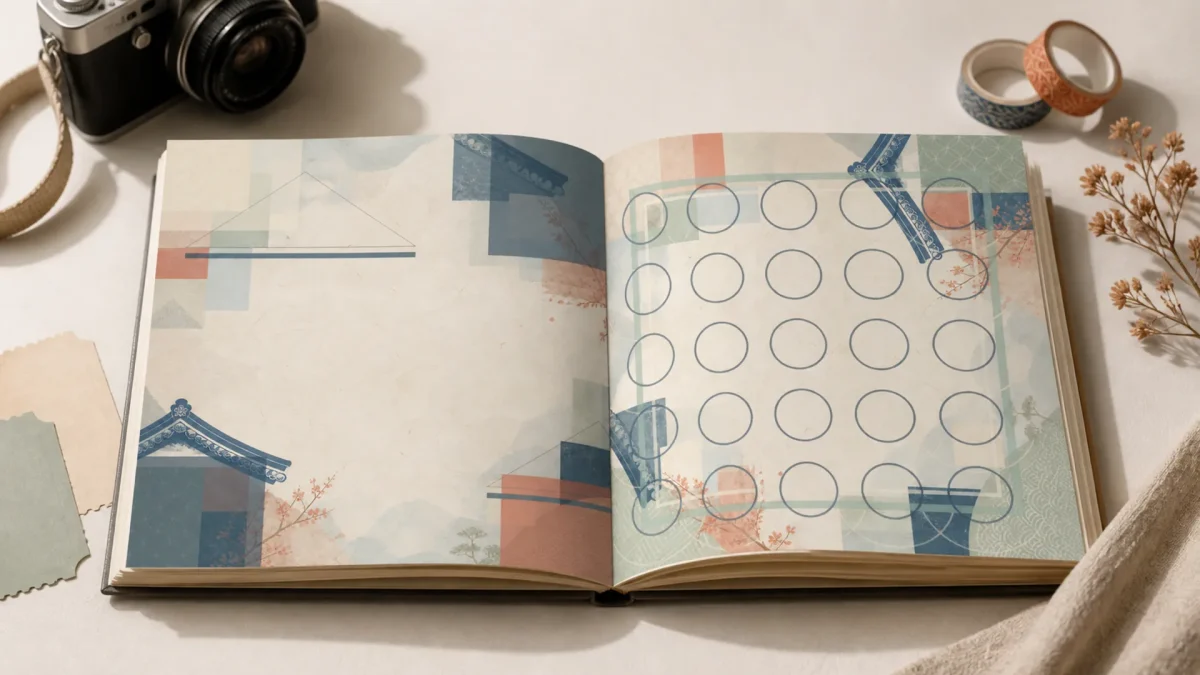
Quick answer: A travel scrapbook becomes more personal when the page records what the camera missed: a route, a smell, a favorite corner, a small delay or the phrase you kept repeating.
Editorial note: This guide is based on the current ScrapBujo catalog and practical craft-planning principles. The featured image is an AI-assisted editorial mockup built from the actual collection previews shown below; it is not presented as a photograph of a completed print test.
Who this helps
This is for travelers who have many photographs but are unsure what to write, and for anyone building a compact travel journal instead of a chronological album.
What to gather before you start
- A small folder for tickets and receipts
- Three to five selected photographs per story
- A dark pen and one accent color
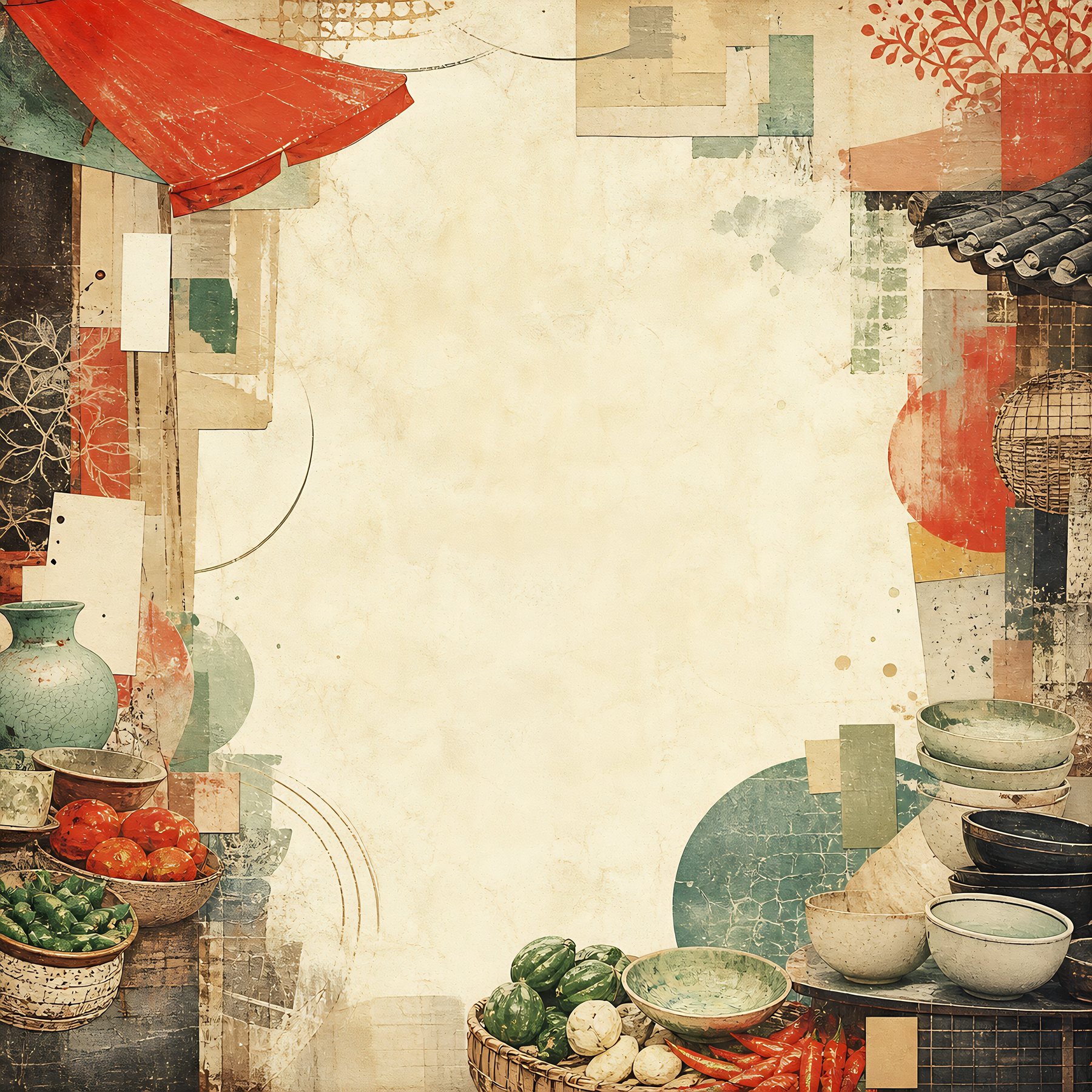
- The South Korea travel paper previews shown below
- A note in your phone for names, dates and places
A practical plan
Save the route, not just the destination
Draw a simple line between two places and add one stop that mattered. A route can be a subway ride, a walk after dinner or the path to a café; it gives the page movement without needing a map full of labels.
Keep one ordinary detail
Photograph the convenience-store snack, street sign shape, umbrella stand or folded receipt that made the day feel local. Ordinary details often survive in memory longer than a perfect viewpoint.
Use the paper as atmosphere
Place one supplied watercolor page under the main photograph and let the second pattern appear only as a narrow strip or pocket. The goal is to frame the memory, not cover it with an invented travel poster.
Write the five-sentence version
Record where you were, what surprised you, what you ate, who you were with and what you would repeat. Five short lines are easier to finish than a blank page asking for a full diary entry.
Add one sound or texture
Write down a sound, a weather note or a surface you remember: train doors, rain on a market awning, warm stone or the quiet of a museum. This is useful sensory evidence when the album is revisited later.
Leave room for translation
If you keep a Korean word or phrase, copy it carefully from your own notes or a reliable source and record what it meant in context. Do not rely on an image generator to produce language or lettering.
Common mistake to avoid
The common mistake is turning a travel page into a collage of unrelated landmarks. Choose one small story per spread and let the paper, route and writing support that story.
Questions to answer before buying
- Which three photographs explain this moment?
- What detail would disappear if I only kept the images?
- Do I know the date and place for every label?
- Am I using a pattern as a background or as the subject?
Make the first session small
Start with one finished surface, not the entire project. For this guide, begin with a small folder for tickets and receipts and one clear memory or use case. A small first session makes it easier to notice whether the paper, scale and writing space are doing their jobs before you spend time trimming every piece.
Run a useful quality check
After one sample or one assembled page, check four things: the main subject is visible, the writing can be read at normal size, the edges are not accidentally cropped and the page still makes sense without an explanation from the maker. If the project is printed, compare the result with the screen and record the printer, paper and scale setting. Colors can vary with screen, printer, ink, paper and print settings.
Keep a project note for next time
- Record the collection name and exact format used.
- Note which paper became the background and which became the accent.
- Write down the size of the photograph, card or tag that fit comfortably.
- Save one sentence describing what you would change on the next page.
- Keep the source link with the finished project so file details and current offers can be checked later.
Mini FAQ
Which three photographs explain this moment?
Answer it before you buy or print. The collection page and the exact Etsy listing should confirm the file count, size, delivery method and current eligibility; a styled mockup can show a possible arrangement but cannot confirm those commercial details.
What if the first layout feels too busy?
Remove one layer before adding another. Keep the focal photograph, the most useful writing area and one paper surface; store the remaining pieces for the facing page or a later project.
What if the project changes halfway through?
That is normal. Keep the original source files and note the change rather than forcing the page to match the first idea. A documented adjustment is more useful than a polished page whose process cannot be repeated. Add the date, format and reason for the change so another person can understand the decision later.
Collection previews used in this guide
These are current ScrapBujo collection previews, not substitute artwork. They show the paper surfaces and formats discussed below.
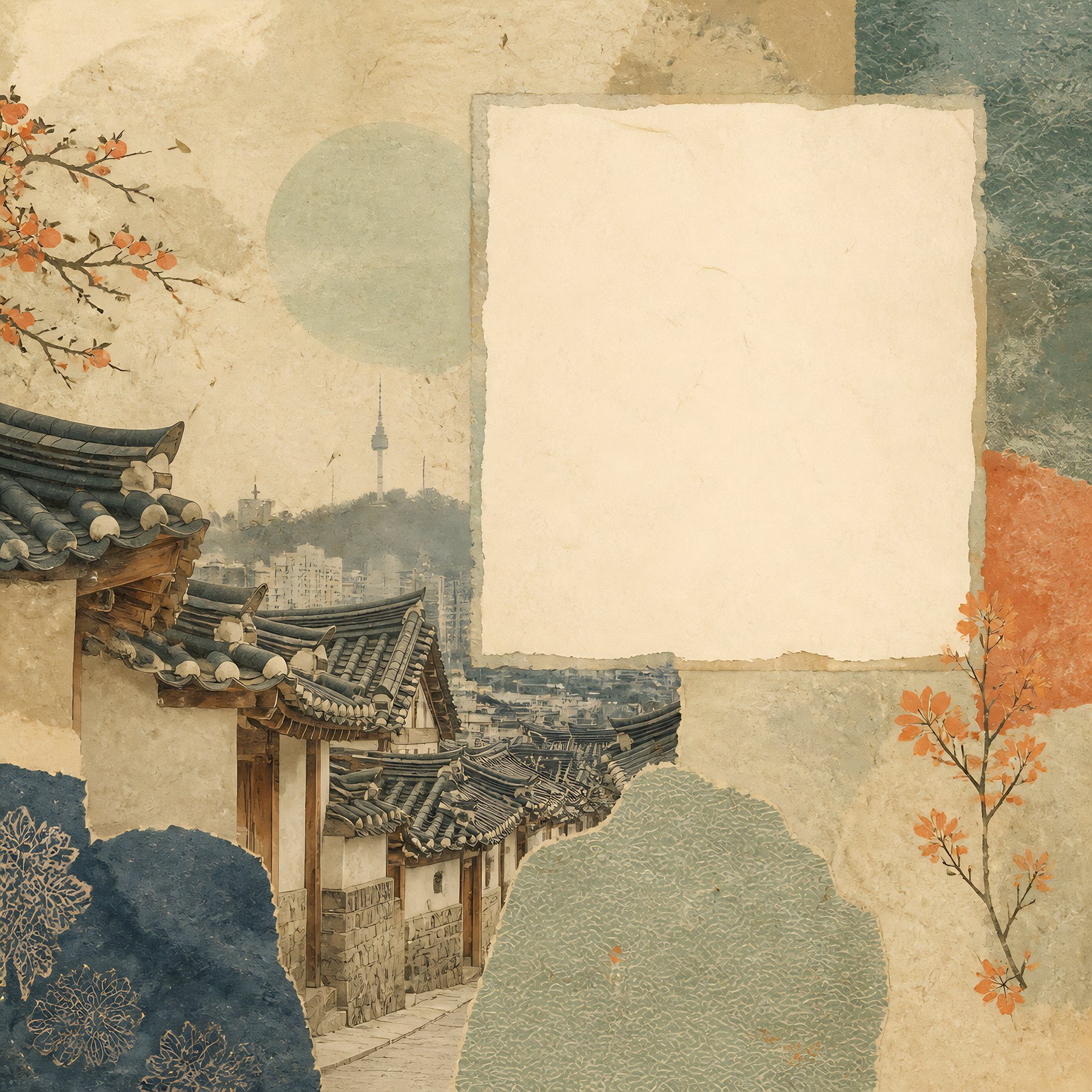

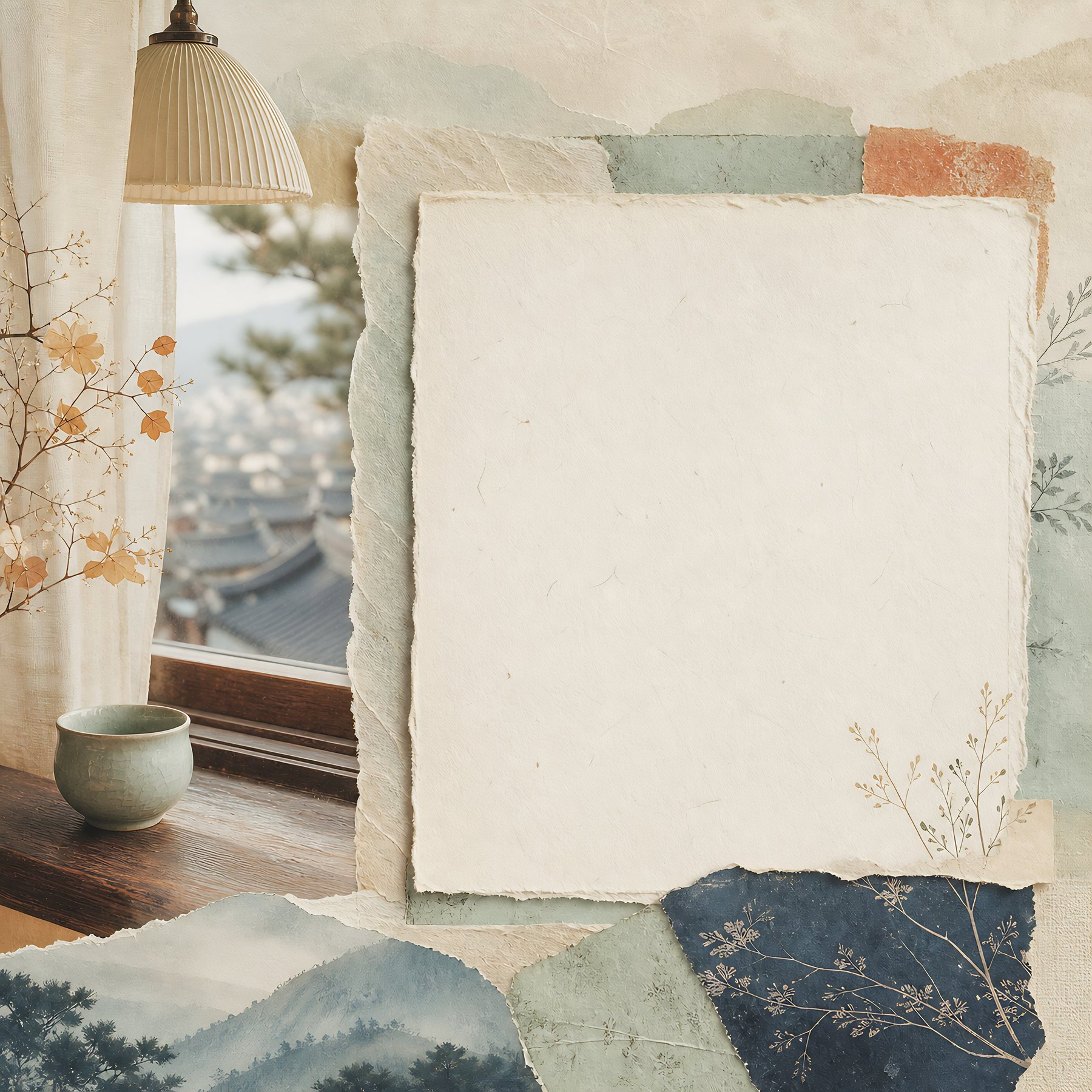
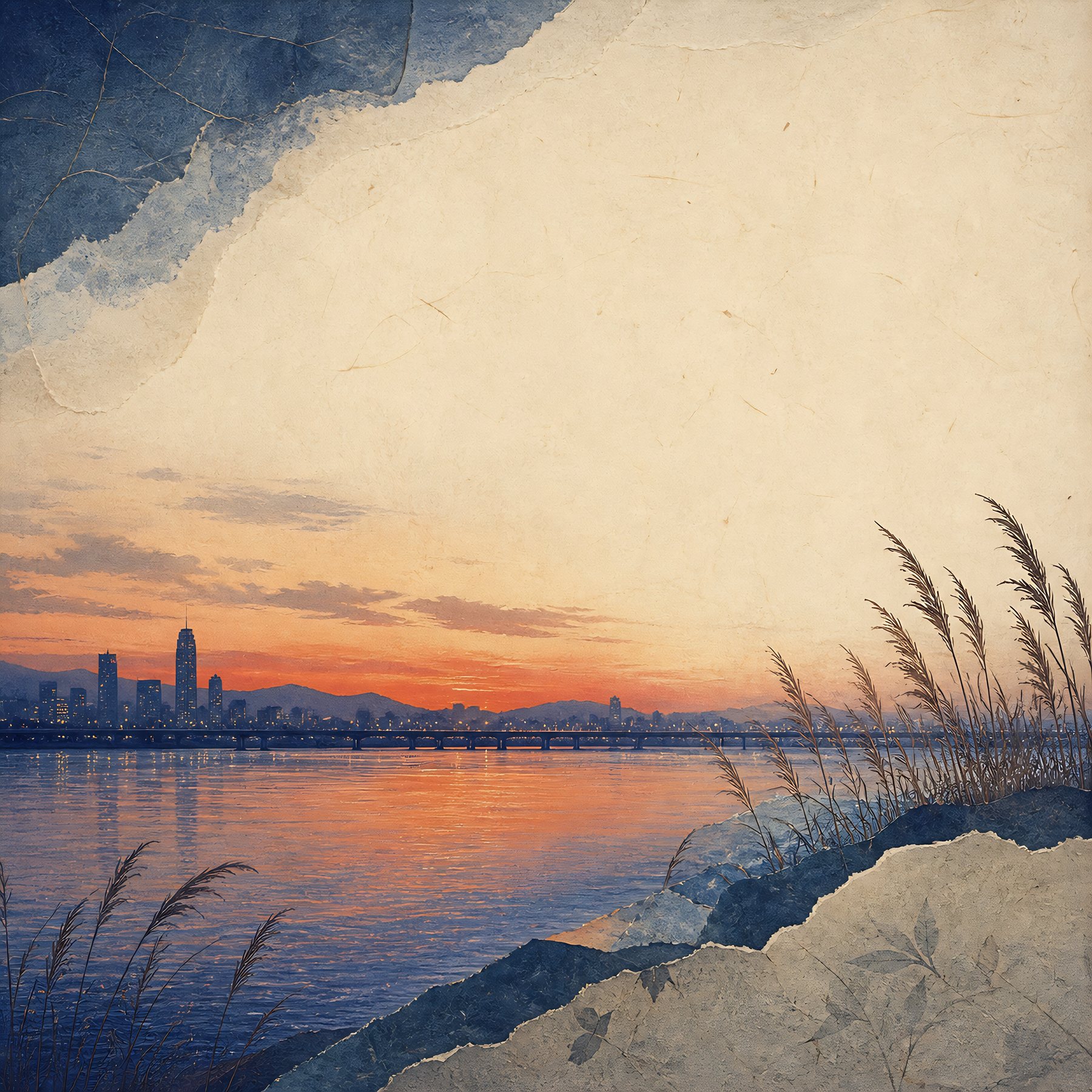

Related free samples: Browse free printable samples before choosing a full pack.
ScrapBujo collections from our Etsy shop
Travel and summer collections for your next pages
Explore coordinated papers on ScrapBujo, check the format details, and open the matching Etsy listing only when you are ready.
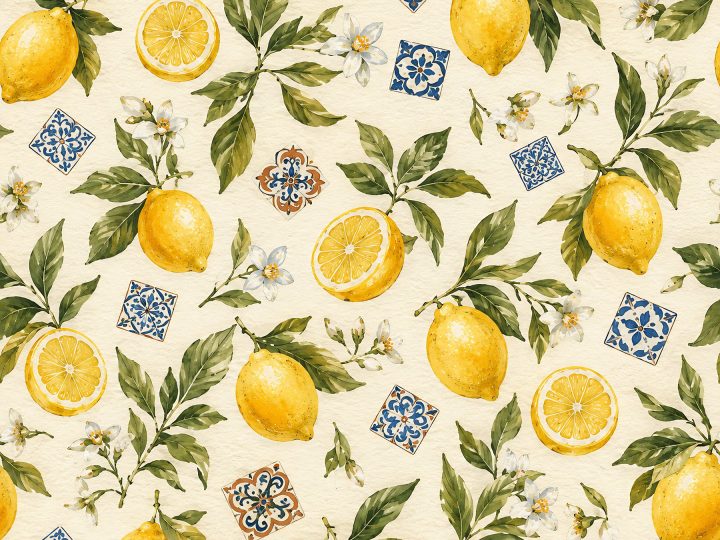
12×12 in 300 DPI Digital download
Coastal & Summer
August Golden Summer Undated Bullet Journal and Digital Paper
Plan a golden summer month in any year with a 35-page undated US…
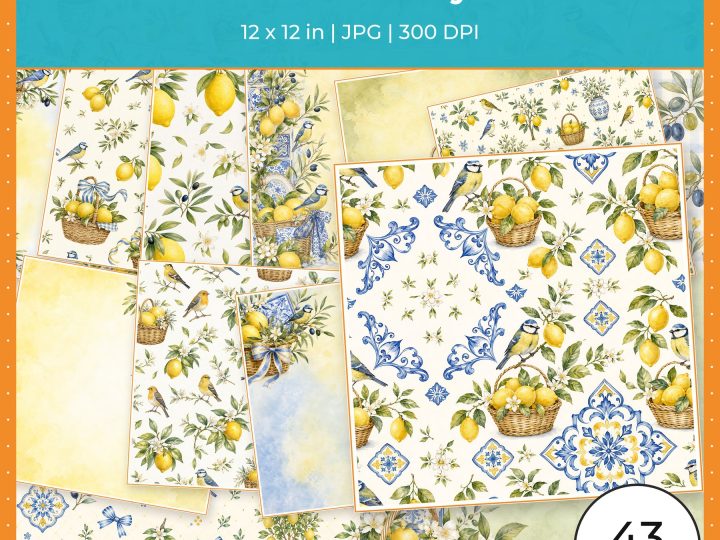
12×12 in 300 DPI Digital download
Coastal & Summer · Floral & Botanical
Lemon Garden Family Memories Digital Scrapbook Paper
Discover 43 coordinated digital scrapbook papers from the ScrapBujo Lemon Garden Family Memories…
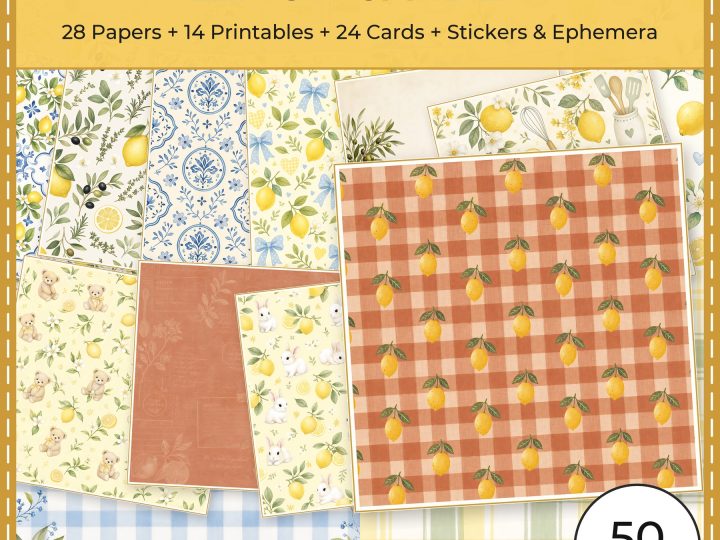
12×12 in 300 DPI Digital download
Baby & Nursery · Coastal & Summer
Lemon Garden Baby & Family Mega Bundle
Explore 50 coordinated digital scrapbook papers from the ScrapBujo Lemon Garden Baby &…
ScrapBujo earns revenue when you purchase our products on Etsy. Etsy shows the current price, file details, and active offers.