
Canning Journal Page Ideas: Turn a Preserving Recipe Into a Keepsake
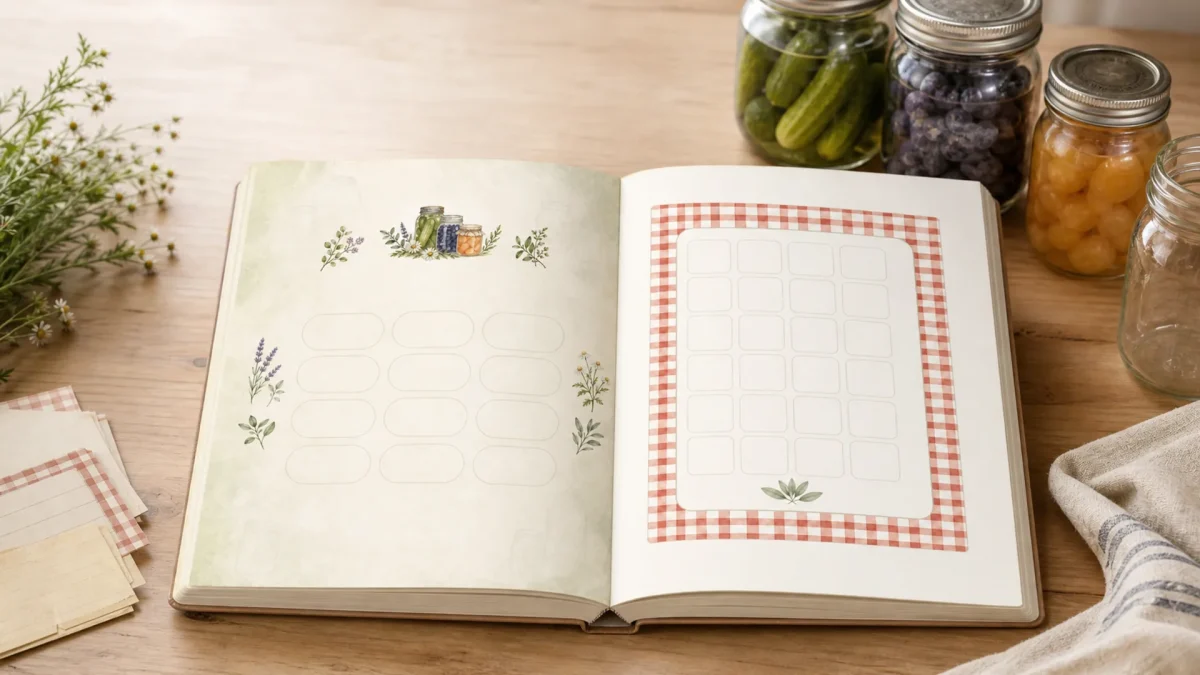
Quick answer: A preserving journal works when it records both the recipe and the decisions around it: what was ripe, what changed, what worked and who will make it next.
Editorial note: This guide is based on the current ScrapBujo catalog and practical craft-planning principles. The featured image is an AI-assisted editorial mockup built from the actual collection previews shown below; it is not presented as a photograph of a completed print test.
Who this helps
Use this plan for jam, pickles, chutney, dried fruit or any household recipe where the batch date and small adjustments matter.
What to gather before you start
- The recipe as actually used, not only the original version
- A batch date and a short ingredient note
- One photograph of the ingredients or finished jar
- Blank labels or recipe cards
- A clean folder for future additions
A practical plan
Record the source
Write who shared the recipe, where it came from and which version you used. A family recipe becomes more trustworthy when the page separates inherited instructions from your own changes.
Describe the starting ingredients
Note whether fruit was very ripe, whether herbs came from the garden or whether a store-bought ingredient changed the result. These details explain variation better than a generic “made with love” caption.
Give the batch a clear identity
Use the date, flavor and batch number if you make the recipe more than once. A small identifier helps the next person connect the jar in a photograph with the page in the journal.
Keep the label readable
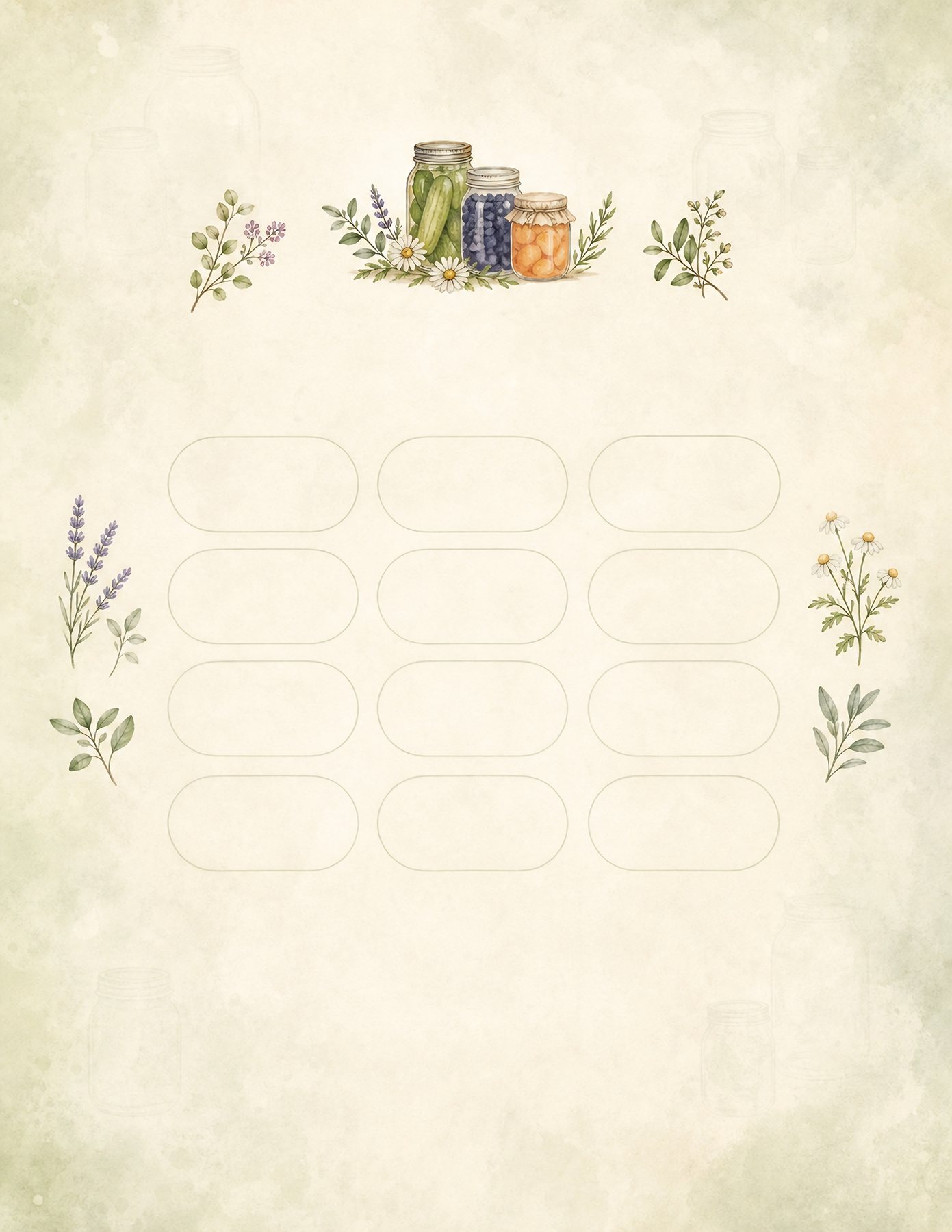
Use the supplied label-like spaces for the name, date and one short note. If a label will be used on a real jar, write it separately; the journal page is a record, not a replacement for food-safety labeling.
Record the adjustment
Did you cut the sugar, add more acid, change the spice or cook for a different texture? State the change plainly and note the result without calling it a universal recommendation.
End with the person who will repeat it
Write who asked for the recipe, who helped or who should make the next batch. That turns a technical page into a family handoff.
Common mistake to avoid
The common mistake is presenting a recipe as if every kitchen will produce the same result. Temperature, ingredients, equipment and technique can vary; document your own conditions and follow current food-safety guidance for the recipe.
Questions to answer before buying
- Where did this recipe come from?
- What changed in this batch?
- Which details are personal notes rather than safety instructions?
- Can another person understand the date and batch from the page alone?
Make the first session small
Start with one finished surface, not the entire project. For this guide, begin with the recipe as actually used, not only the original version and one clear memory or use case. A small first session makes it easier to notice whether the paper, scale and writing space are doing their jobs before you spend time trimming every piece.
Run a useful quality check
After one sample or one assembled page, check four things: the main subject is visible, the writing can be read at normal size, the edges are not accidentally cropped and the page still makes sense without an explanation from the maker. If the project is printed, compare the result with the screen and record the printer, paper and scale setting. Colors can vary with screen, printer, ink, paper and print settings.
Keep a project note for next time
- Record the collection name and exact format used.
- Note which paper became the background and which became the accent.
- Write down the size of the photograph, card or tag that fit comfortably.
- Save one sentence describing what you would change on the next page.
- Keep the source link with the finished project so file details and current offers can be checked later.
Mini FAQ
Where did this recipe come from?
Answer it before you buy or print. The collection page and the exact Etsy listing should confirm the file count, size, delivery method and current eligibility; a styled mockup can show a possible arrangement but cannot confirm those commercial details.
What if the first layout feels too busy?
Remove one layer before adding another. Keep the focal photograph, the most useful writing area and one paper surface; store the remaining pieces for the facing page or a later project.
What if the project changes halfway through?
That is normal. Keep the original source files and note the change rather than forcing the page to match the first idea. A documented adjustment is more useful than a polished page whose process cannot be repeated. Add the date, format and reason for the change so another person can understand the decision later.
Collection previews used in this guide
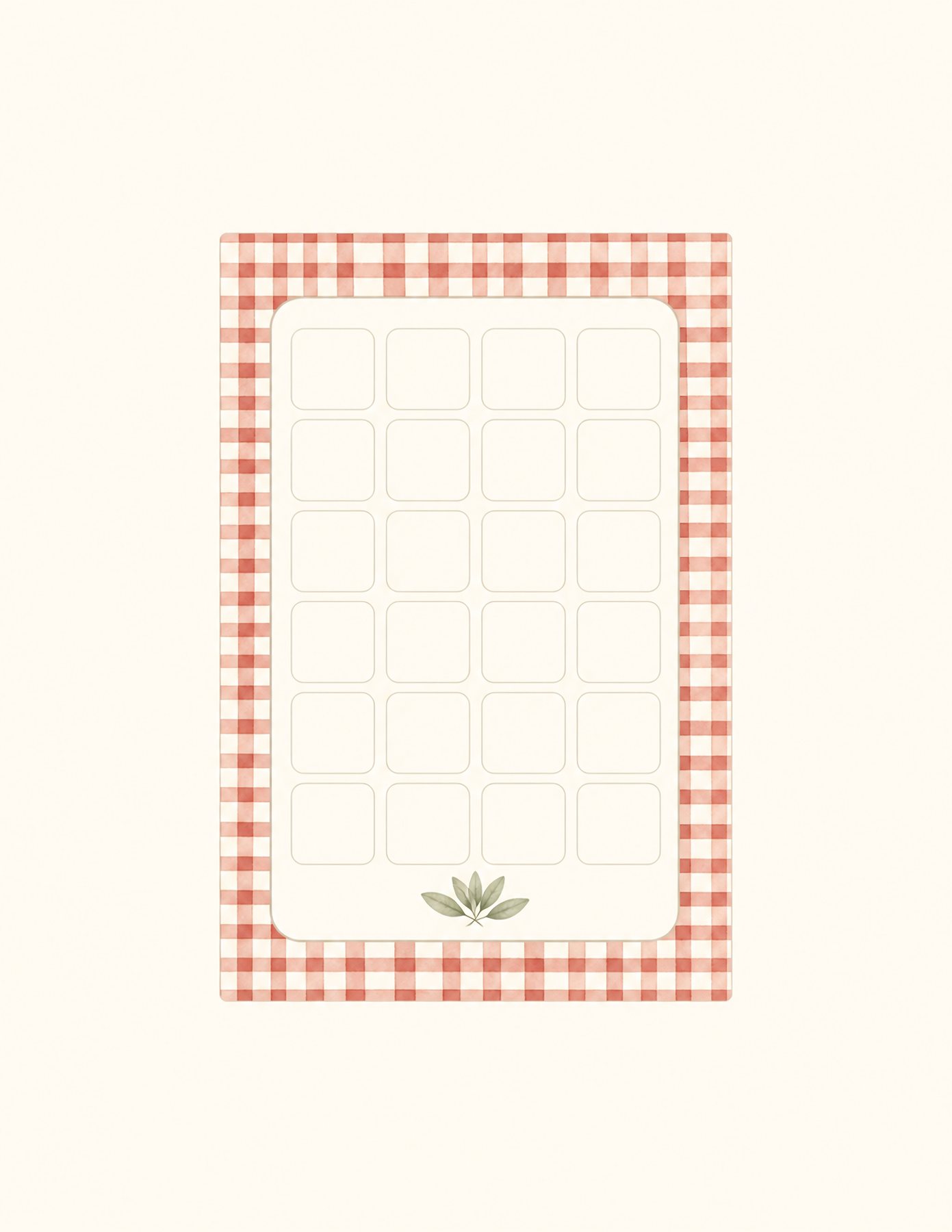
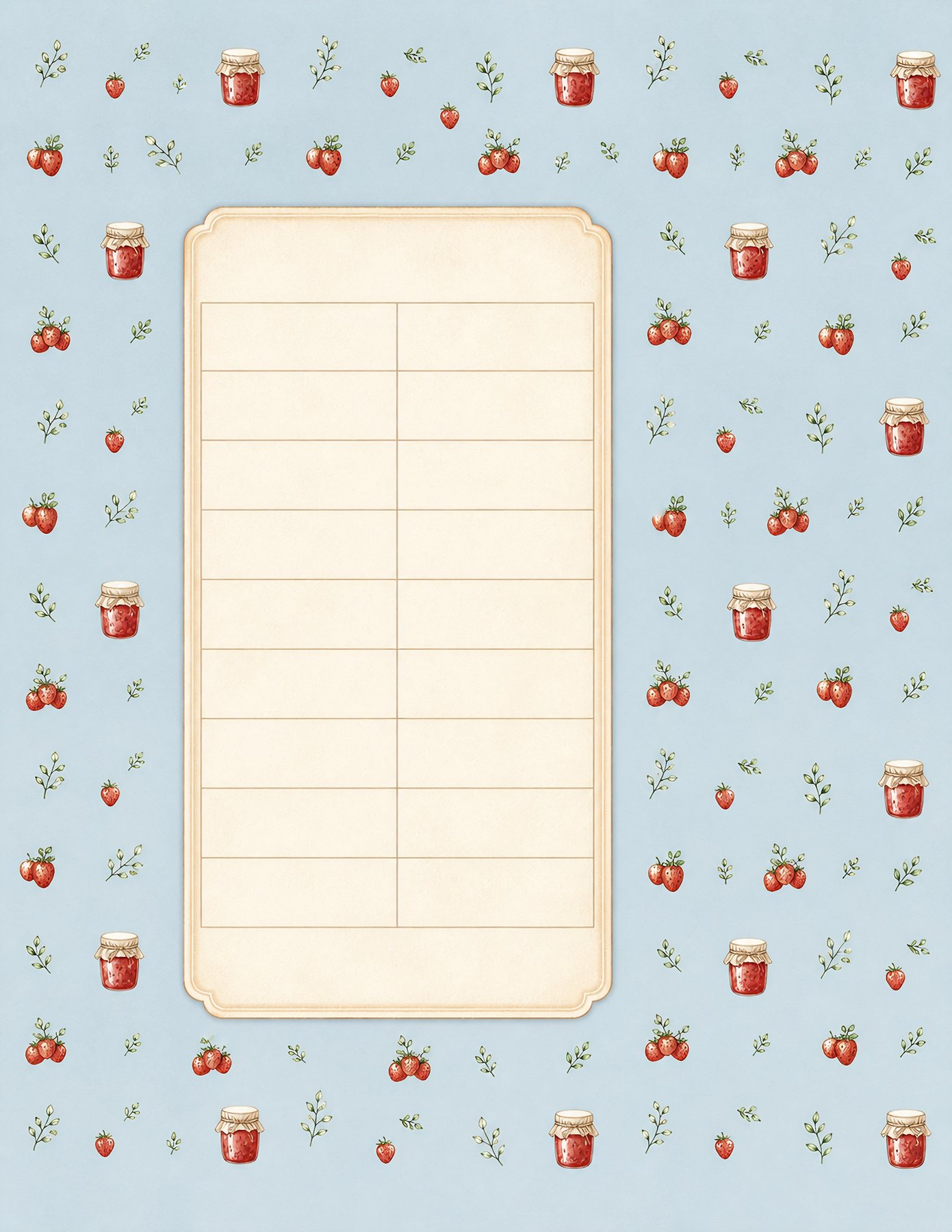
These are current ScrapBujo collection previews, not substitute artwork. They show the paper surfaces and formats discussed below.
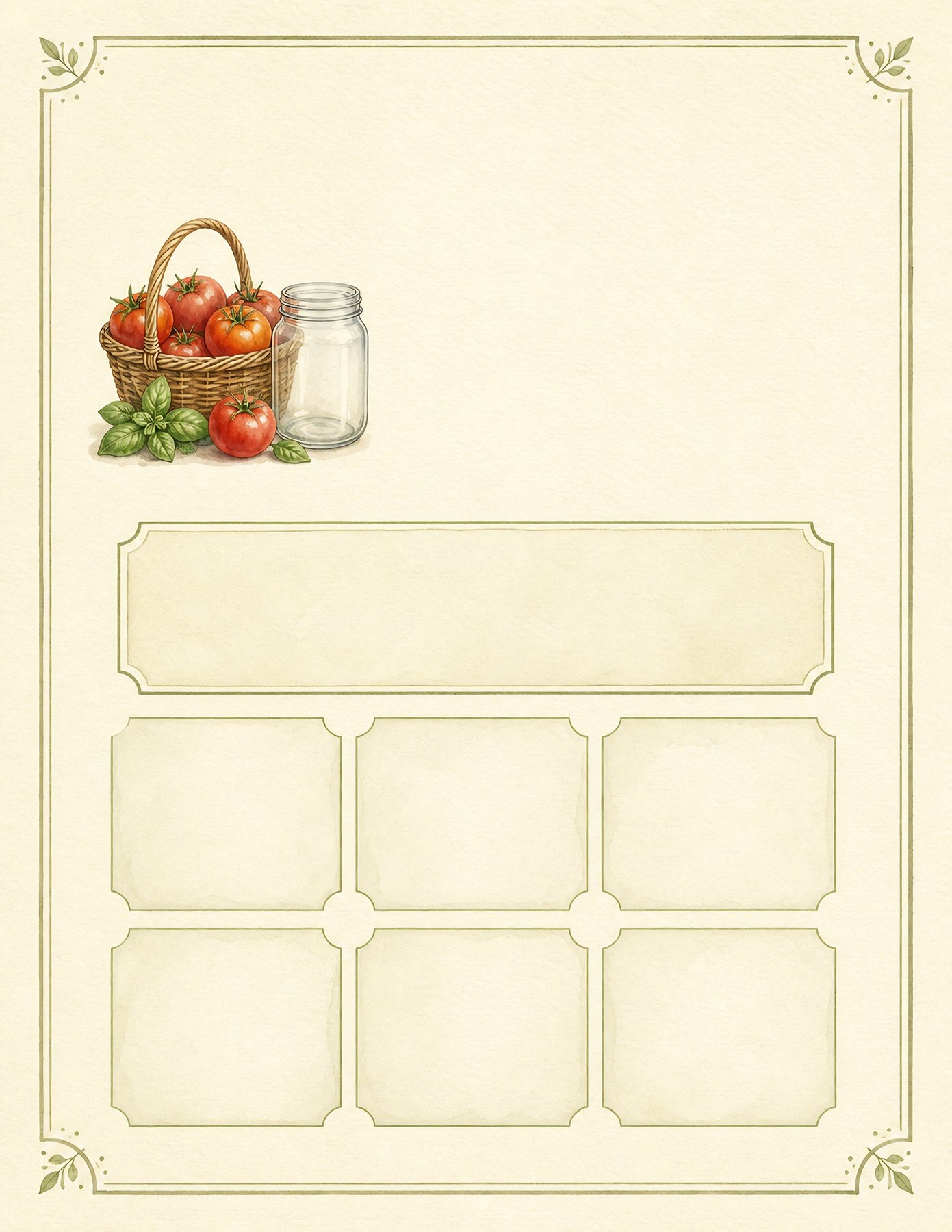
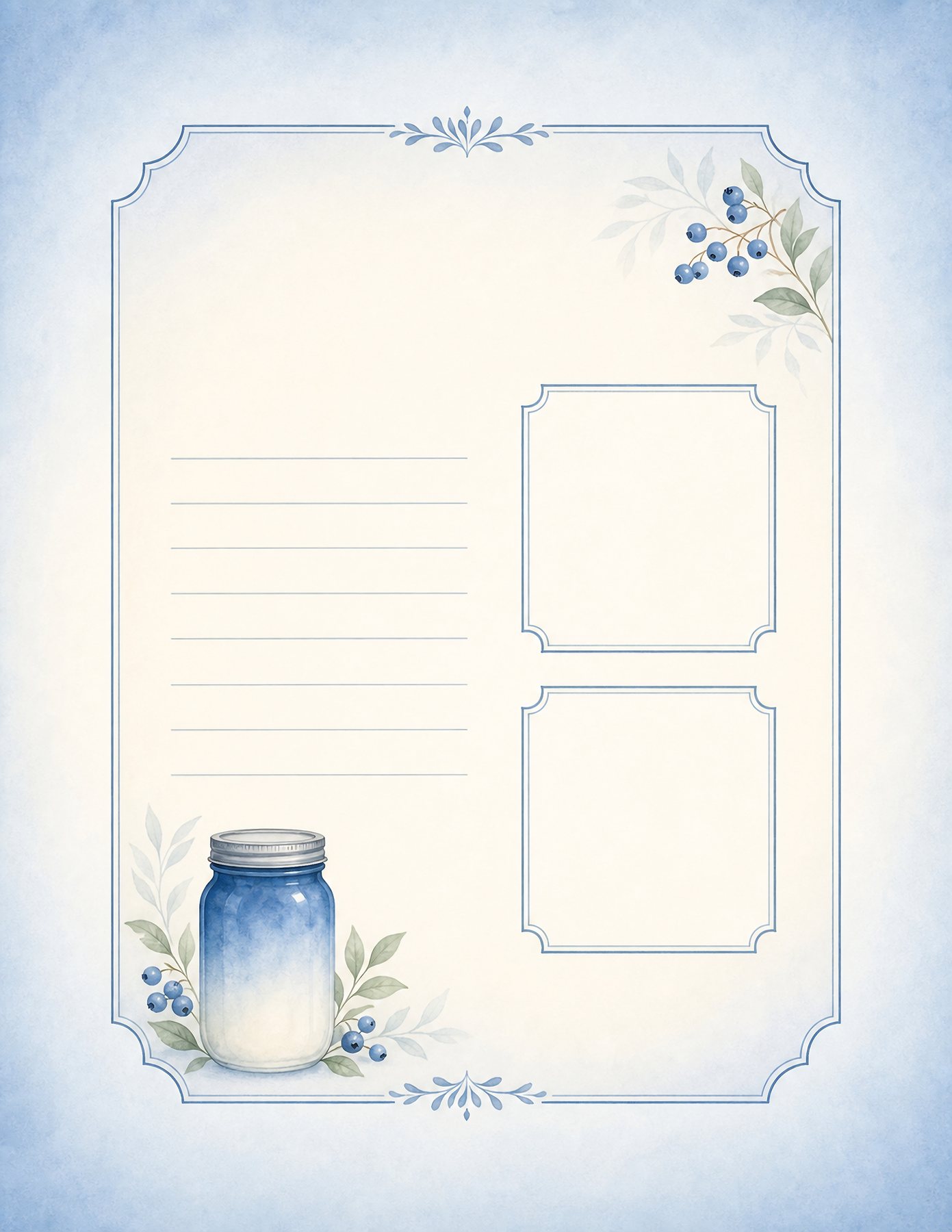
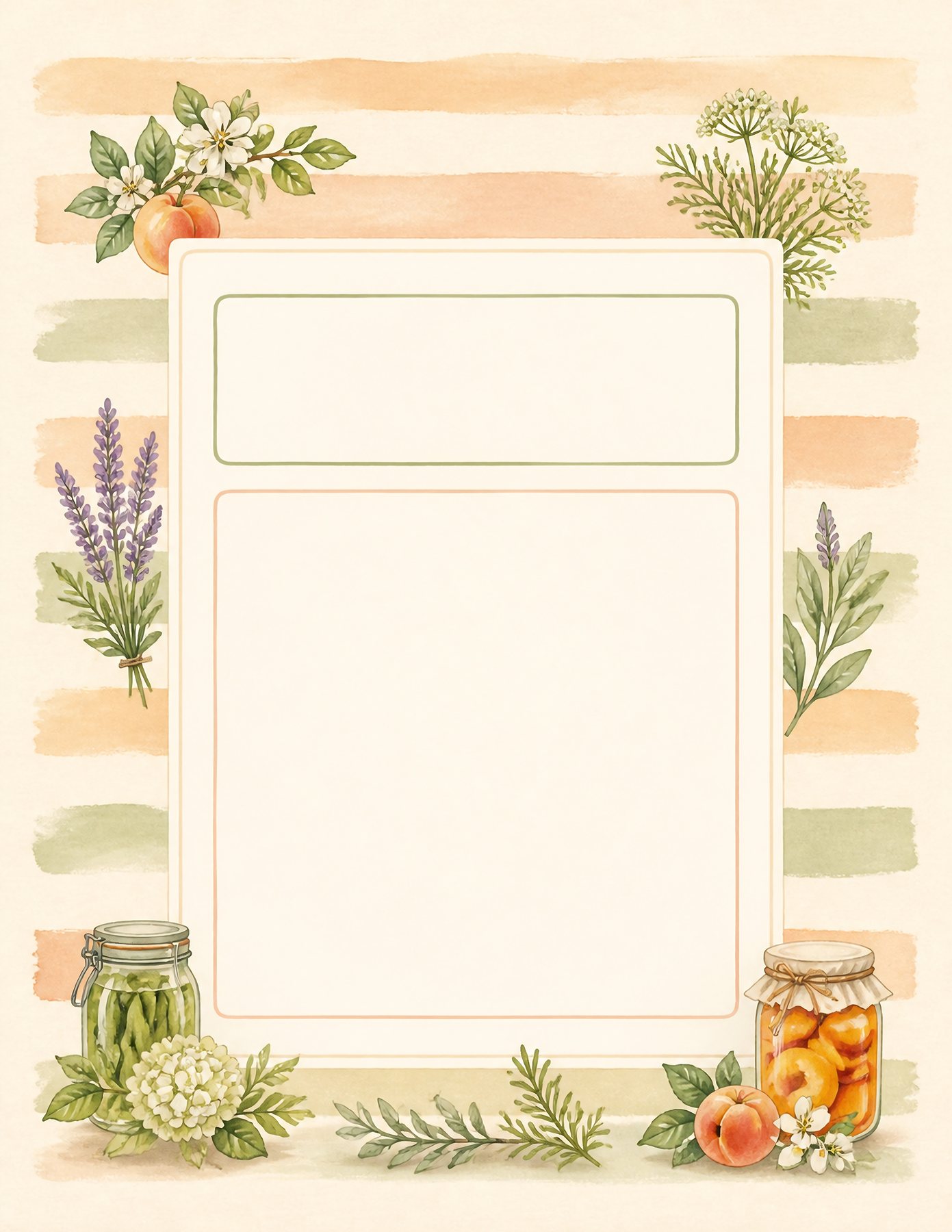
Related free samples: Browse free printable samples before choosing a full pack.
Explore ScrapBujo digital collections
Explore the related digital collection
Review the collection previews and current file details before choosing a format.

300 DPI Digital download
Digital Scrapbook Papers
Homestead Canning And Preserving Journal
Explore 40 coordinated digital scrapbook papers from the ScrapBujo Homestead Canning And Preserving…
Each product page identifies its checkout, current price, and digital delivery details.