10 Pen Pal Pages That Make Every Letter Worth Keeping
A pen-pal journal can preserve the exchange without exposing private addresses or turning every envelope into a bulky page. These ten layouts organize correspondence, context and creative details safely.
Photograph or scan each letter before cutting anything, record the date received and protect personal information. Keep the original letter intact whenever possible, then use copies or photographed details for the decorative layout.
At a glance
- Correspondence timeline: Create a dated line for letters sent and received.
- Postmark map: Mark the city or region only at the privacy level both correspondents approve.
- Opening-line collection: Copy the first line from several letters with dates and clear attribution.
Before you start
Gather archival sleeves, a pencil, removable labels and a box that fits the largest envelope. Print copies on US Letter paper at actual size when you need a working version. Ask permission before publishing handwriting, names or mail online.
1. Correspondence timeline
Create a dated line for letters sent and received. Small envelope icons make gaps and busy periods visible without displaying addresses.
Build the composition in three passes: place the largest photograph or writing card first, add one medium supporting shape, then stop after a few small accents. This order protects the focal point and makes it easier to remove decoration before adhesive turns an experiment into a permanent decision.
2. Postmark map
Mark the city or region only at the privacy level both correspondents approve. Connect places with thread lines drawn on paper rather than literal string.
Keep dates, names and the main sentence together in one clear reading zone. Decorative labels should support that information rather than split it across the page. Write a rough caption on scrap paper first so the final space matches what you genuinely want to remember.
3. Opening-line collection
Copy the first line from several letters with dates and clear attribution. The comparison reveals how the friendship’s tone changes.
Repeat one color or shape from an earlier spread to make the album feel connected. Repetition does not require identical pages: a small leaf, rounded corner or narrow border can carry the visual rhythm while photographs and stories remain different.
4. Envelope color study
Photograph stamps, ink and paper before storing the originals. Arrange color swatches beside the images for a compact visual record.
If you print the elements, make one inexpensive test on the exact paper before producing multiples. Check small text, shadow detail and cut lines in normal room light. Keep the original proportions and avoid enlarging a low-resolution preview beyond the size it can support.
5. Questions in transit
List questions asked, answered and still open. This page doubles as a helpful prompt when it is time to write back.
Photograph the loose arrangement before gluing it. The quick reference helps when pieces shift and gives you a record of alternatives. It also makes it easier to move the entire idea into a different album size without rebuilding from memory.
6. Shared reading page
Record books, articles or poems mentioned in the exchange. Add who recommended each item and when.
Build the composition in three passes: place the largest photograph or writing card first, add one medium supporting shape, then stop after a few small accents. This order protects the focal point and makes it easier to remove decoration before adhesive turns an experiment into a permanent decision.
7. Seasonal packet inventory
Document flat extras such as stickers or tea labels, but discard food items that could damage paper. Keep fragile pieces in separate sleeves.
Keep dates, names and the main sentence together in one clear reading zone. Decorative labels should support that information rather than split it across the page. Write a rough caption on scrap paper first so the final space matches what you genuinely want to remember.
8. Handwriting details
Enlarge a copied word or flourish that captures the writer’s style. Use a scan, not a cut section from the original letter.
Repeat one color or shape from an earlier spread to make the album feel connected. Repetition does not require identical pages: a small leaf, rounded corner or narrow border can carry the visual rhythm while photographs and stories remain different.
9. Letter-writing desk
Photograph the tools and space used to reply. Note the pen, ink and music playing to preserve the sending side of the story.
If you print the elements, make one inexpensive test on the exact paper before producing multiples. Check small text, shadow detail and cut lines in normal room light. Keep the original proportions and avoid enlarging a low-resolution preview beyond the size it can support.
10. Year-end exchange recap
Choose one quote, one surprise and one hope for future letters. Send the correspondent a copy if the page celebrates both of you.
Photograph the loose arrangement before gluing it. The quick reference helps when pieces shift and gives you a record of alternatives. It also makes it easier to move the entire idea into a different album size without rebuilding from memory.
What to avoid
Avoid covering the main photograph, shrinking journaling until it is uncomfortable to read, or using every pattern simply because it belongs to the same kit. Do not invent dates, quotations, print results or family details to make a page feel finished. Mark uncertain information honestly and protect addresses, children’s identifying details and private messages before publishing images online.
How to start today
Choose one idea from this guide, one photograph or writing prompt, and two coordinating papers. Make a loose arrangement without adhesive, write the factual caption, then decide whether the page needs anything else. One completed, readable page is a better beginning than twelve elaborate bases waiting for the “perfect” memory.
Try the style before choosing the full collection
Open Free Vintage Office and Postal – 3 Printable Scrapbook Paper Samples to examine a free ScrapBujo sample first. The sample page explains the included files and usage terms and links back to the matching collection when one is available.
Check size before you print
Use the 300 DPI to pixels calculator to confirm the pixel dimensions for your finished size. For full-size square layouts, the 12×12 scrapbook printing guide explains wide-format printers, print services, paper support and true-size settings.
See the quick visual Story for this guide.
Explore Vintage Office and Postal Digital Scrapbook Papers on ScrapBujo for the coordinated previews and file details.
View this digital collection on Etsy. This is a digital download; no physical paper is shipped.
Source note: The collection facts and preview images in this article were checked against the ScrapBujo catalog on 2026-08-14. The examples are product previews; they do not replace a print test.
Collection previews used in this guide
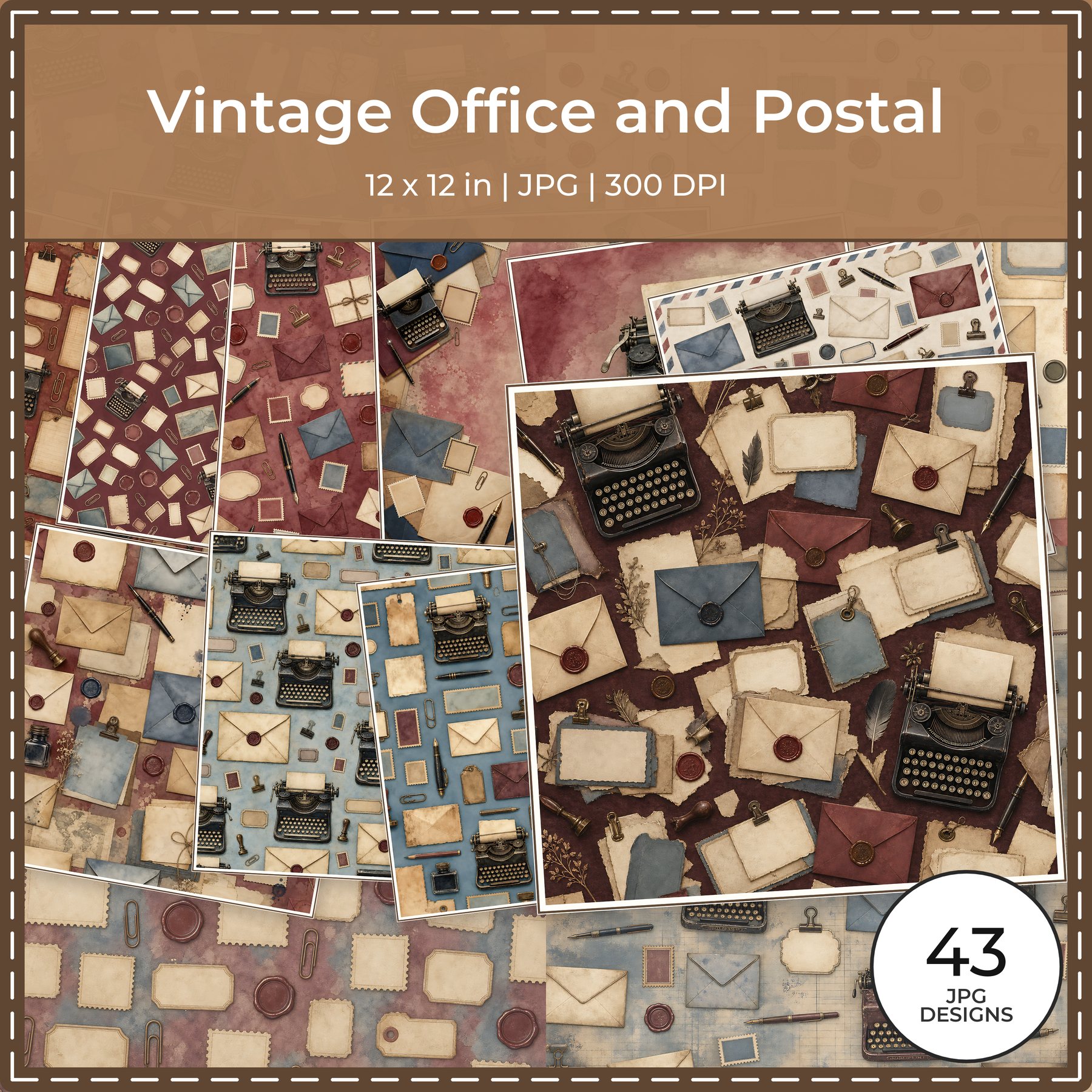
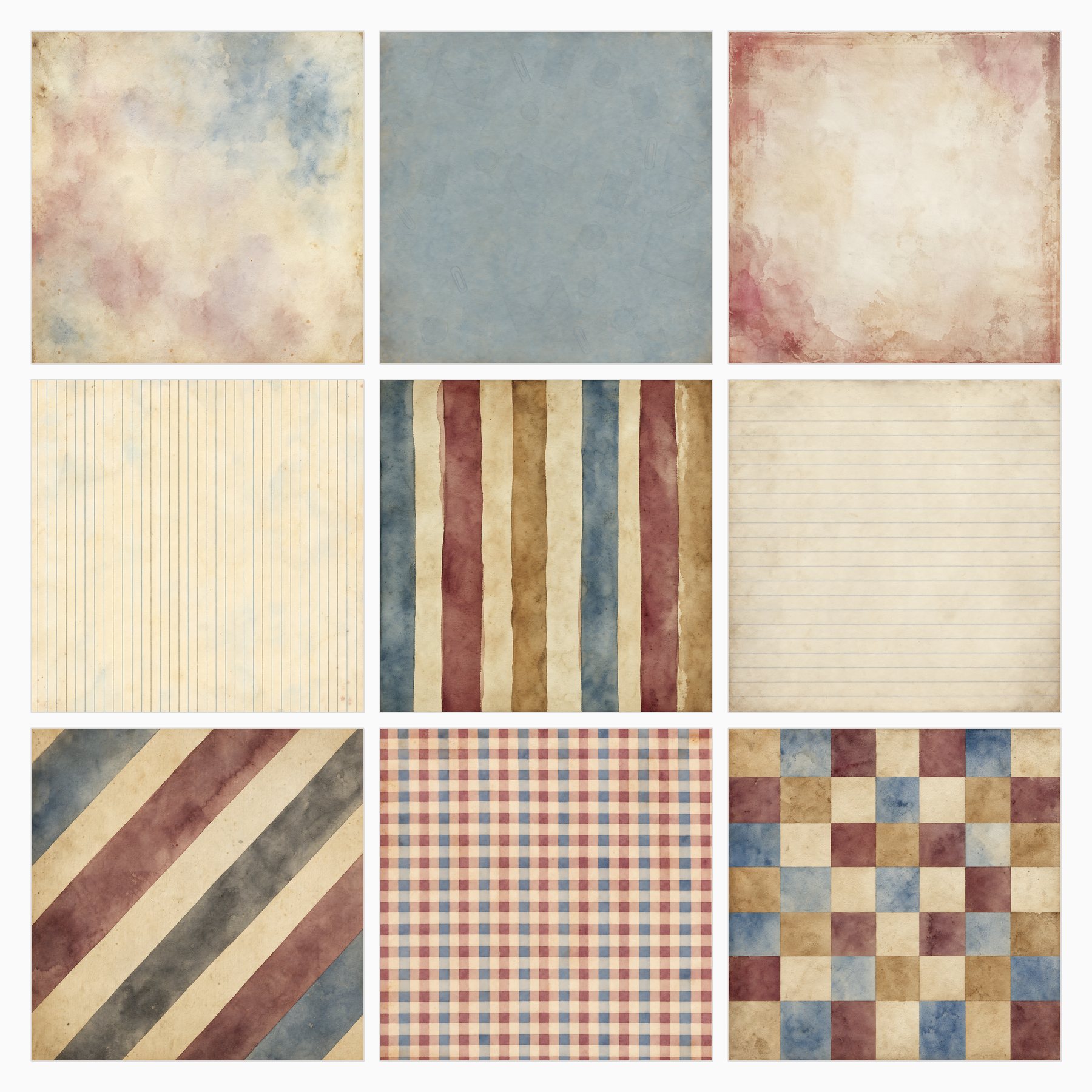
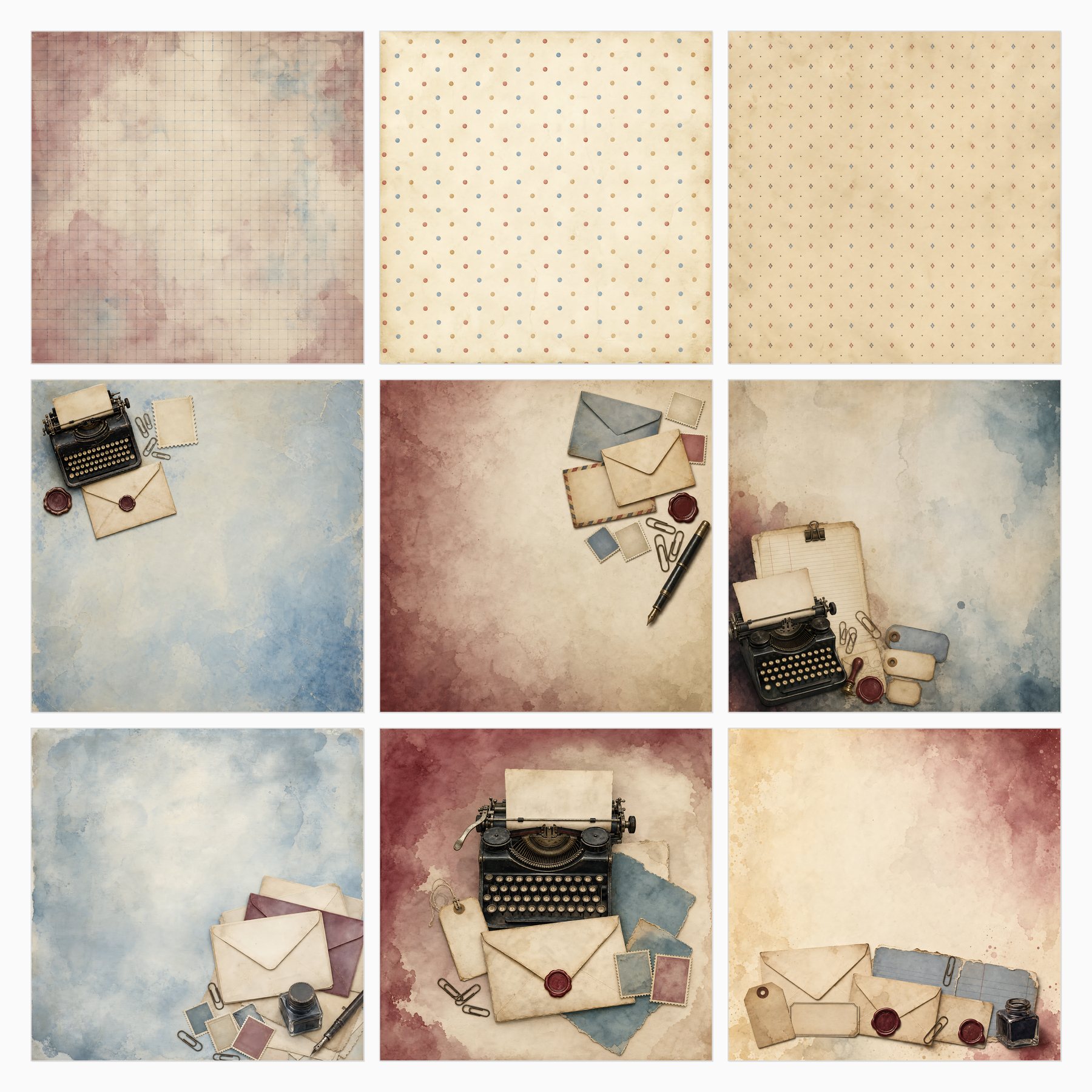
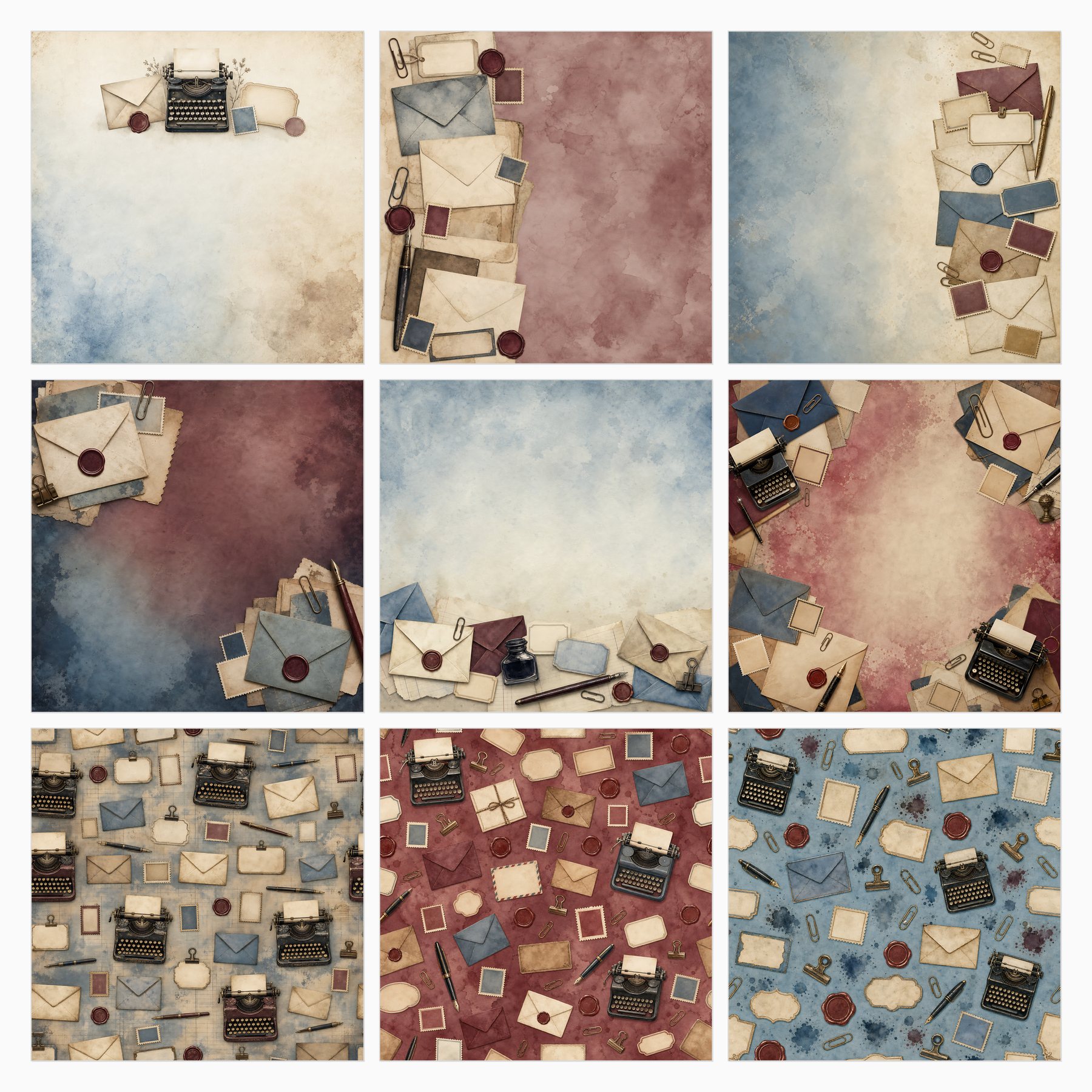
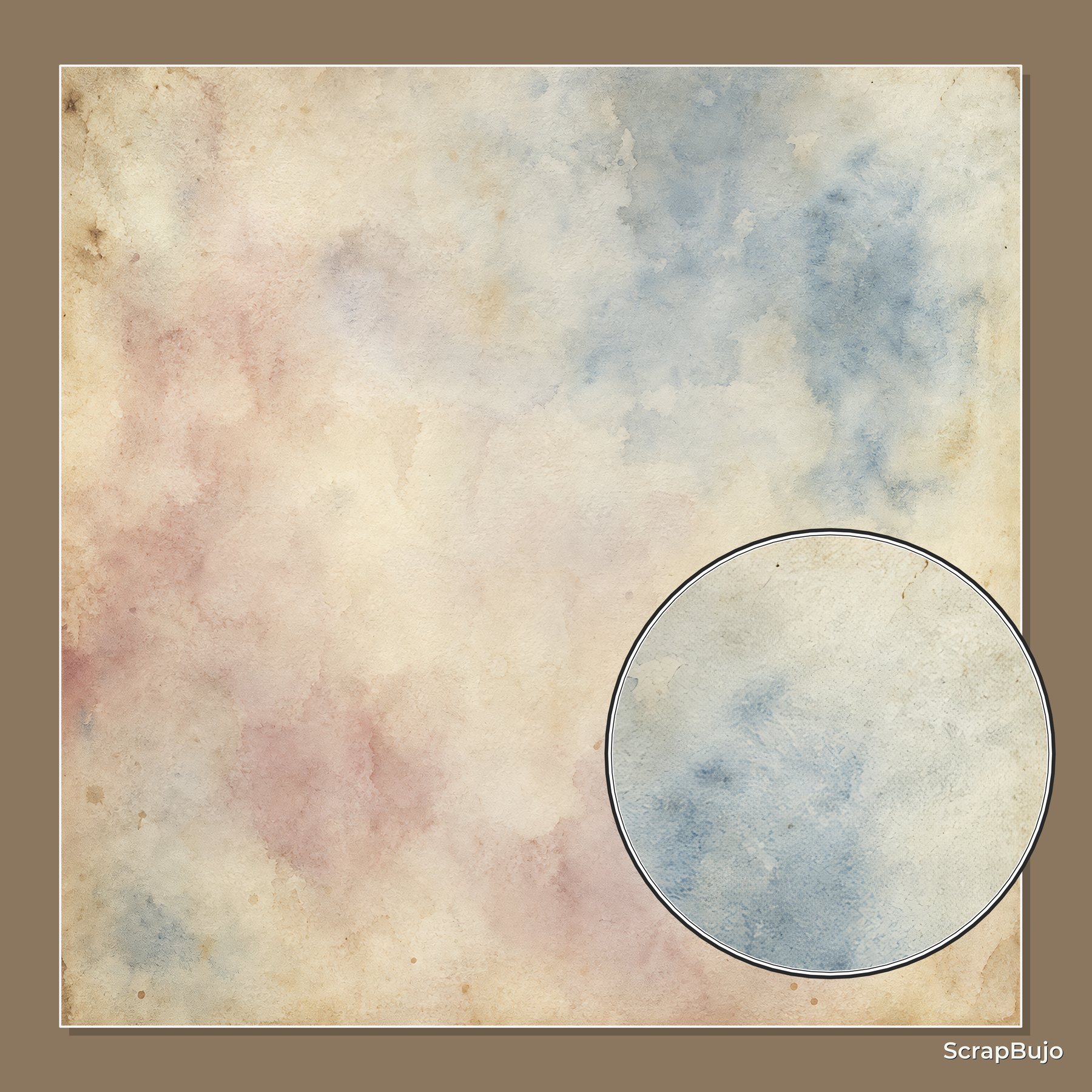
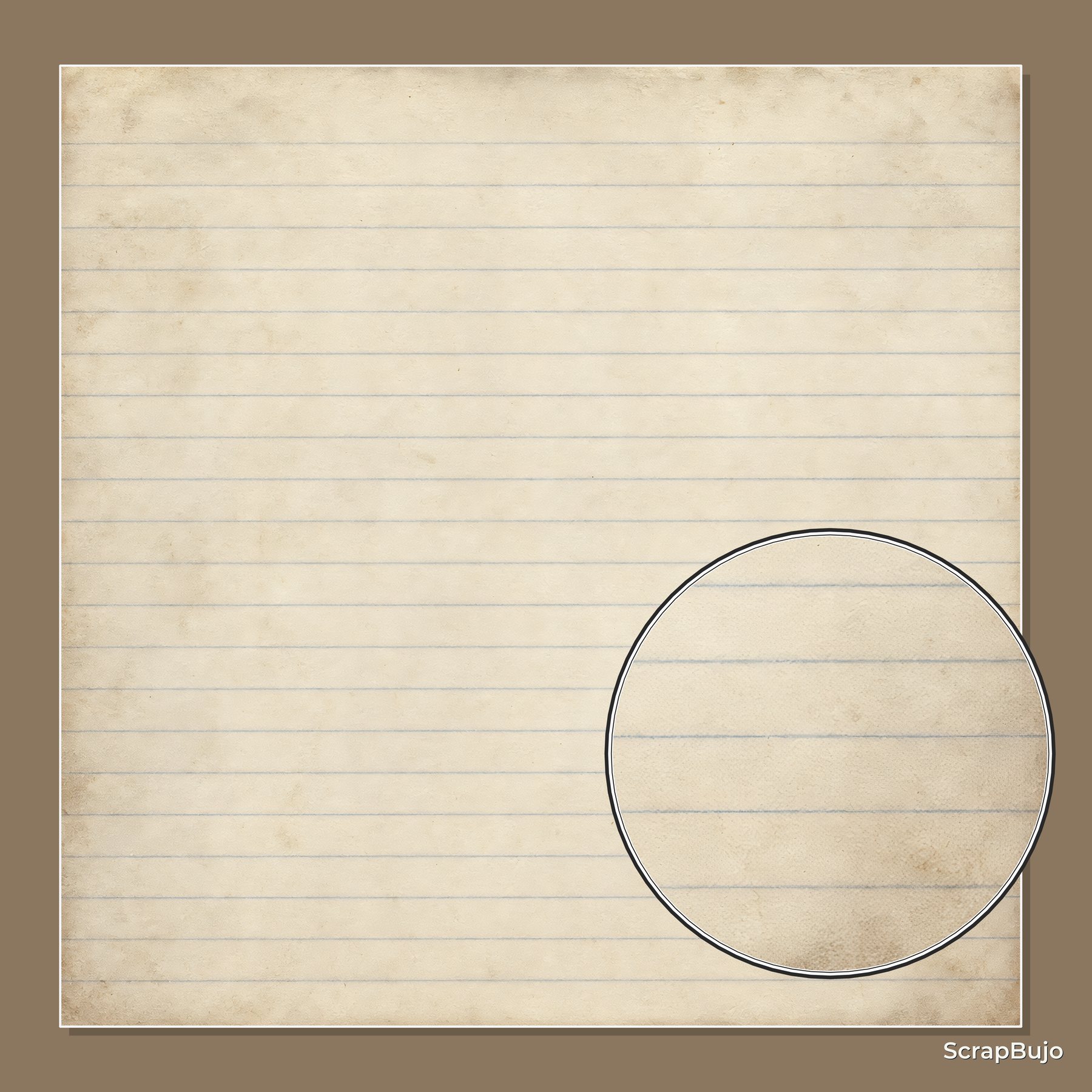
These are current ScrapBujo collection previews, not substitute artwork. They show the paper surfaces and formats discussed below.
Explore ScrapBujo digital collections
Explore the related digital collection
Review the collection previews and current file details before choosing a format.

12×12 in 300 DPI Digital download
Vintage & Cottagecore
Vintage Office and Postal Digital Scrapbook Papers
Explore 40 square JPG scrapbook papers and 3 white-background JPG illustration sheets with…
Each product page identifies its checkout, current price, and digital delivery details.