
Grandmother and Grandchildren Memory Book: 8 Pages From Everyday Photos
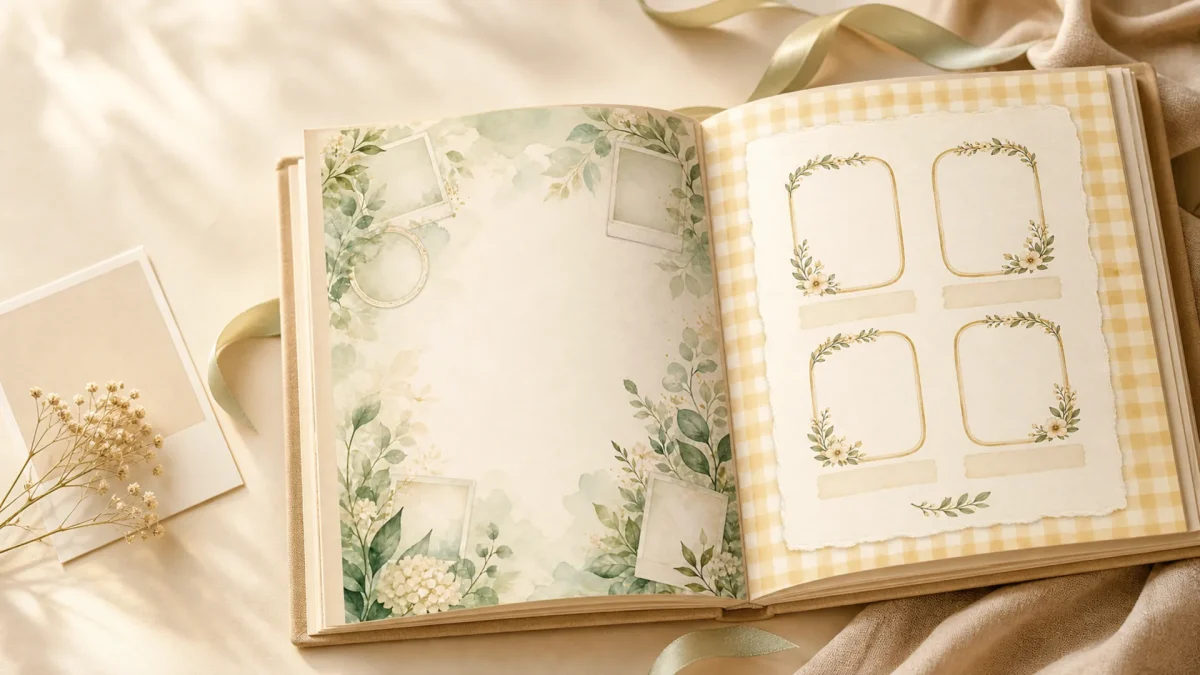
Quick answer: A family memory book becomes valuable when it records ordinary time together: a meal, a walk, a saying, a recipe or the way a child helped.
Editorial note: This guide is based on the current ScrapBujo catalog and practical craft-planning principles. The featured image is an AI-assisted editorial mockup built from the actual collection previews shown below; it is not presented as a photograph of a completed print test.
Who this helps
This plan is for families making a keepsake of everyday time shared by a grandmother and grandchildren. Use the memories, words and objects that are available; there is no need to build a formal family archive.
Start with what you already have
Choose a few photographs, a drawing, or an object you can describe. Each idea below can stand alone; the eight pages do not require eight photographs.
Eight page ideas
-
A shared ritual
Choose a repeated moment that belongs to this relationship, such as a greeting, a familiar call or part of a visit. A photo of the place or a related object can stand in for a portrait.
Short prompt: What do we like doing together? Record: Add who remembers the ritual and the date or approximate time, if known, under the photo or object note.
-
An ordinary day
Pick one meal, walk, errand, game or quiet hour instead of a milestone. A note about one ordinary detail works when no photo is available.
Short prompt: What small detail would help us recognize this day later? Record: Put the date or place below the image or note, and label whose memory supplied the detail.
-
Something learned together
Choose a game, small skill or task one person showed or tried alongside another. A picture of the tools or a simple drawing can replace a photo of the people.
Short prompt: What did we try, and what do we want to remember? Record: Note who showed the step and who tried it; add the occasion or date if remembered.
-
Words in each person’s voice
Give each person a small space for a memory or favorite expression. The page can use a photo, a drawing or words alone.
Short prompt: What would you like to keep in your own words? Record: Label each line with its speaker. Use quotation marks only for words recorded accurately; otherwise paraphrase.
-
Hands or an everyday object
Focus on an action or object connected to time together: hands preparing, sorting, planting or making something, or an object used in that moment. If there is no photo, describe or draw the object.
Short prompt: What were we doing with this? Record: Put the contributor’s name or role and the date, if known, in the caption beneath the image or drawing.
-
A favorite shared activity
Choose a recipe, game, craft or other activity only if it fits your family’s memory. A photo of an ingredient, game piece or tool can stand for the activity itself.
Short prompt: Which part should we remember for next time? Record: Attribute any steps, rule or tip to the person who supplied it; add the occasion or date if known.
-
A child-led page
Let a child choose the photo, object, drawing or detail to include. A contribution can be pointing, choosing, drawing or saying one short sentence; handwriting is not required.
Short prompt: Which part do you want us to remember? Record: Mark what the child chose or said. If an adult writes the child’s words, label them as dictated or transcribed and add the date only if known.
-
A note for another time
Save one idea someone has already suggested repeating or trying together. A related object or small sketch is optional, and the space can remain open if no one has an idea yet.
Short prompt: What would be nice to do again, if we choose to? Record: Label whose suggestion it is; leave the date blank until there is one. It is fine to leave the page open for a later contribution.
One simple page arrangement
Place one photo, drawing or object note near the top, a short caption underneath, then give each contributor a separate line. For example, label two lines “Grandmother remembers:” and “Grandchild remembers:” and let each person supply their own words. If only one person contributes, leave the other line open.
Mini FAQ
Whose memory should go on a page?
Label the person who supplied each note or drawing. If two people remember the same moment differently, keep their versions separate rather than combining them into one account.
What if we have only a few photographs?
Use a drawing, an object, or a short description in place of a photo. The page ideas can be made from different kinds of keepsakes; you do not need one picture for every page.
What if a child cannot write yet?
Let the child point to a detail, choose an object, draw, or say one short line. An adult can write it down and label it as the child’s dictated words.
What if a date is uncertain?
Use an approximate time only when you remember it, or leave the date blank. If people recall details differently, label whose recollection each one is and keep both notes.
Collection previews used in this guide
These are current ScrapBujo collection previews, not substitute artwork. They show the paper surfaces and formats discussed below.
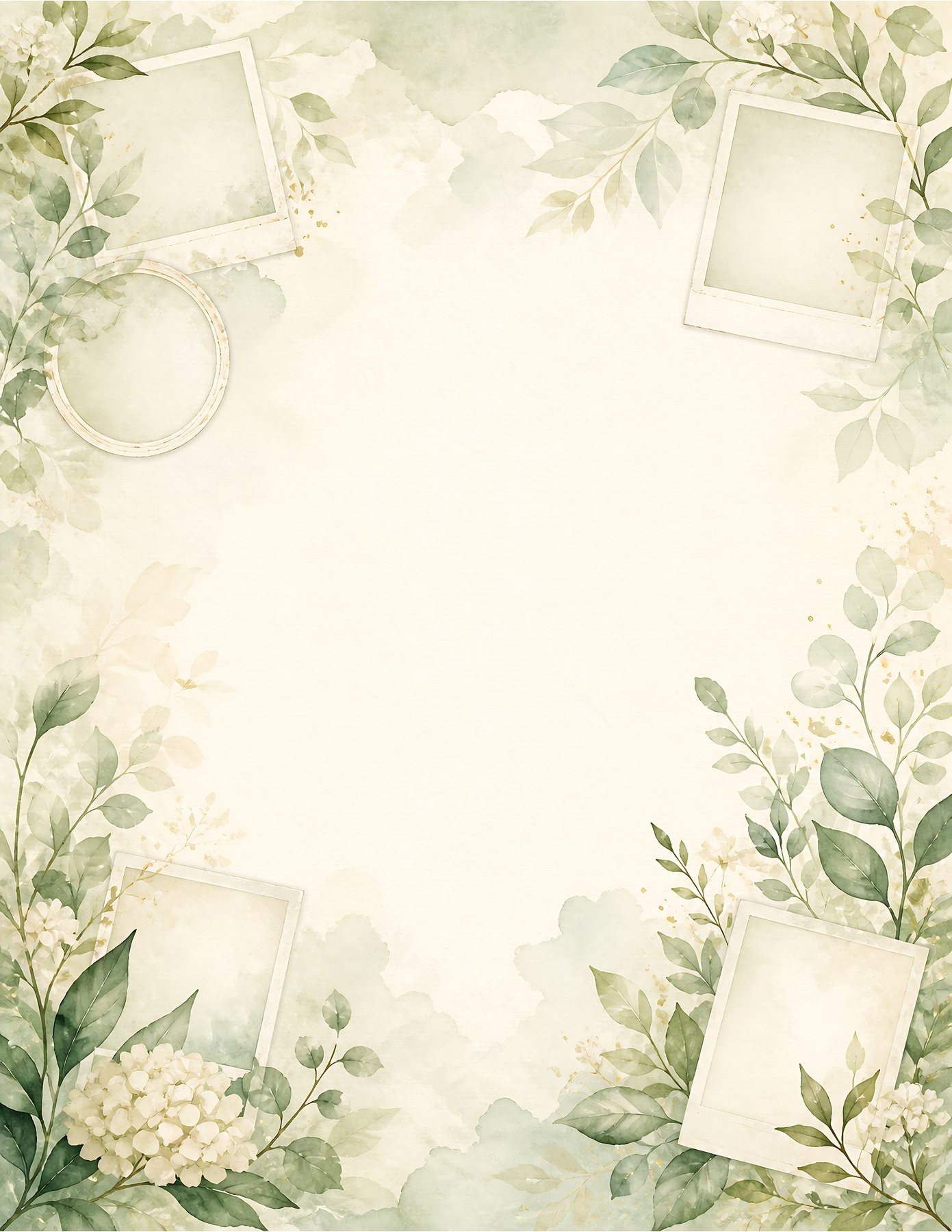
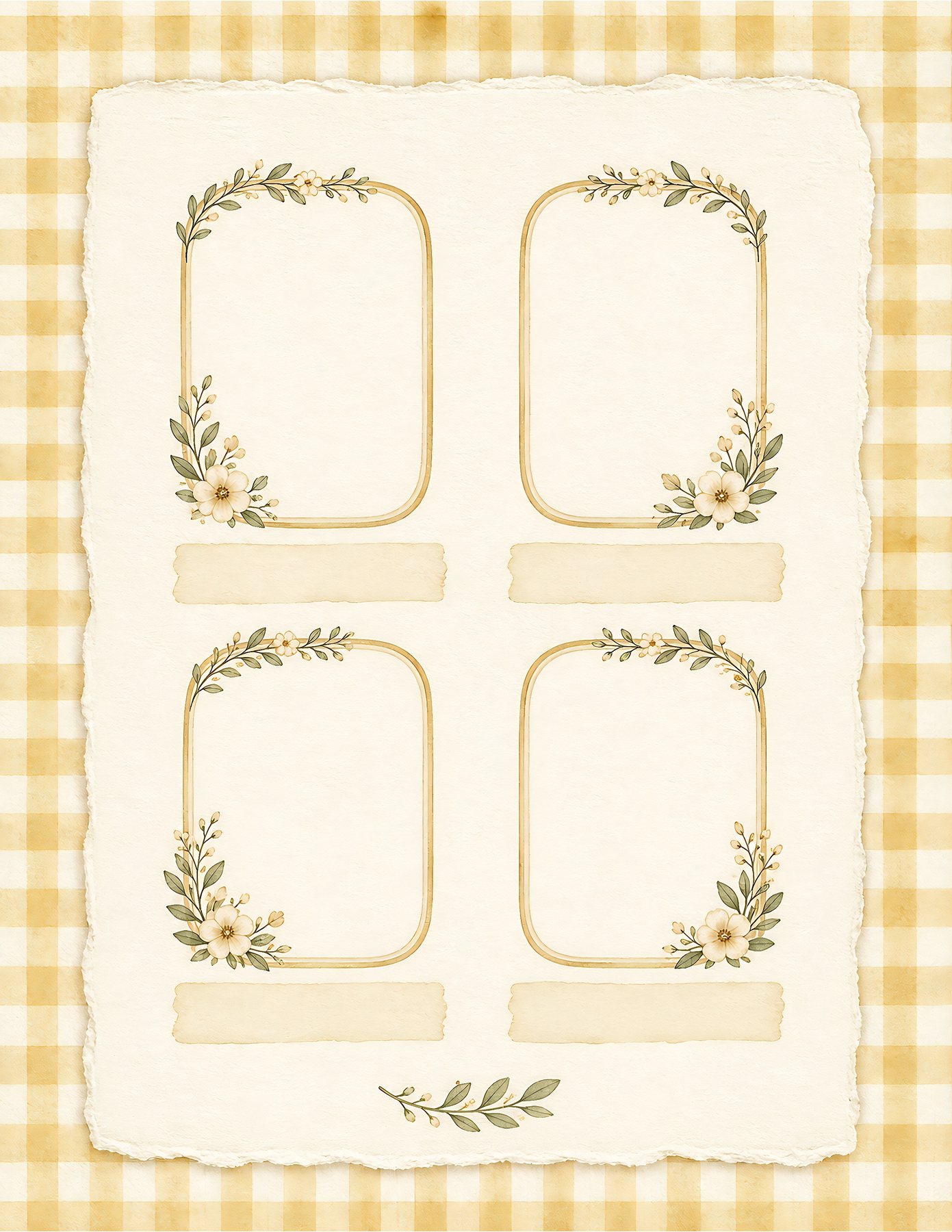
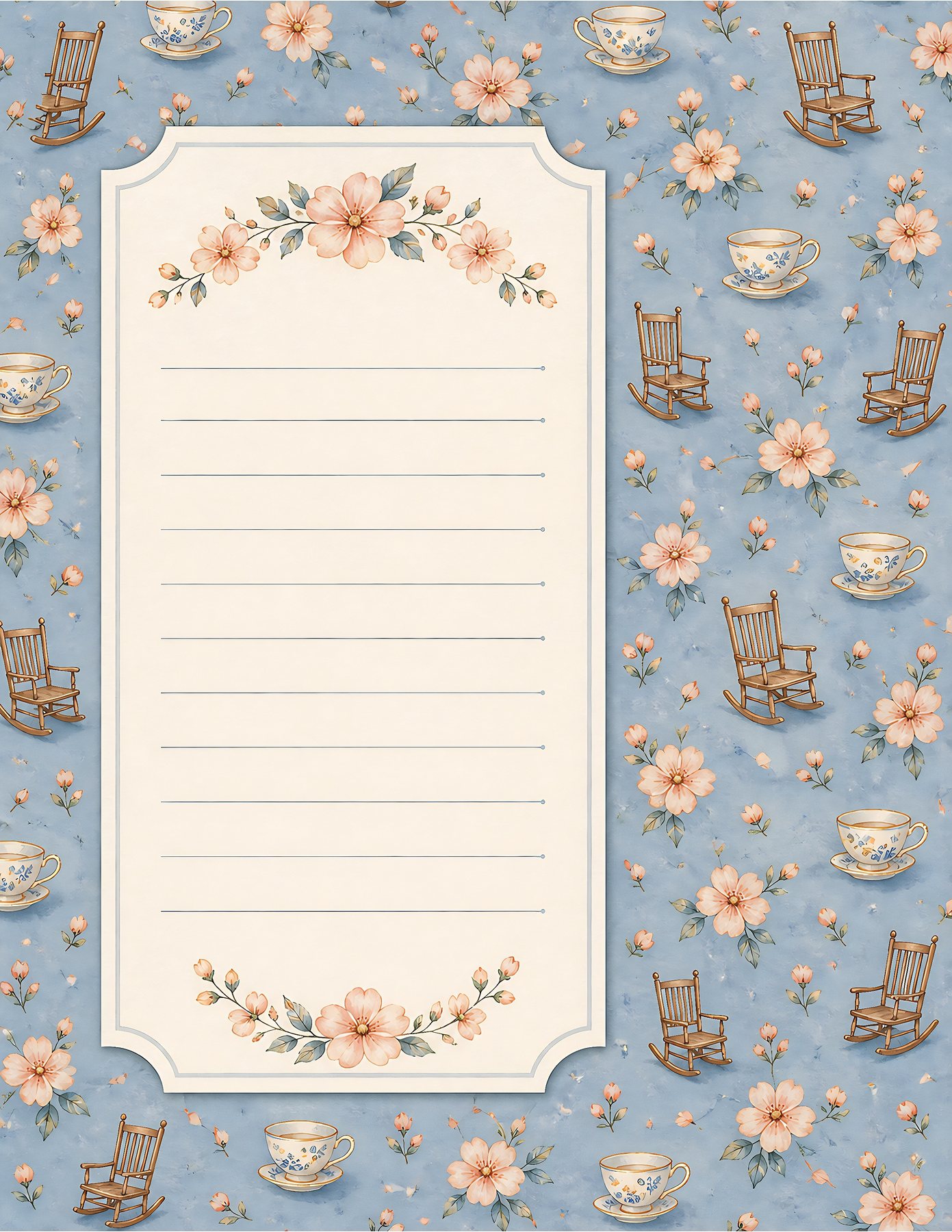
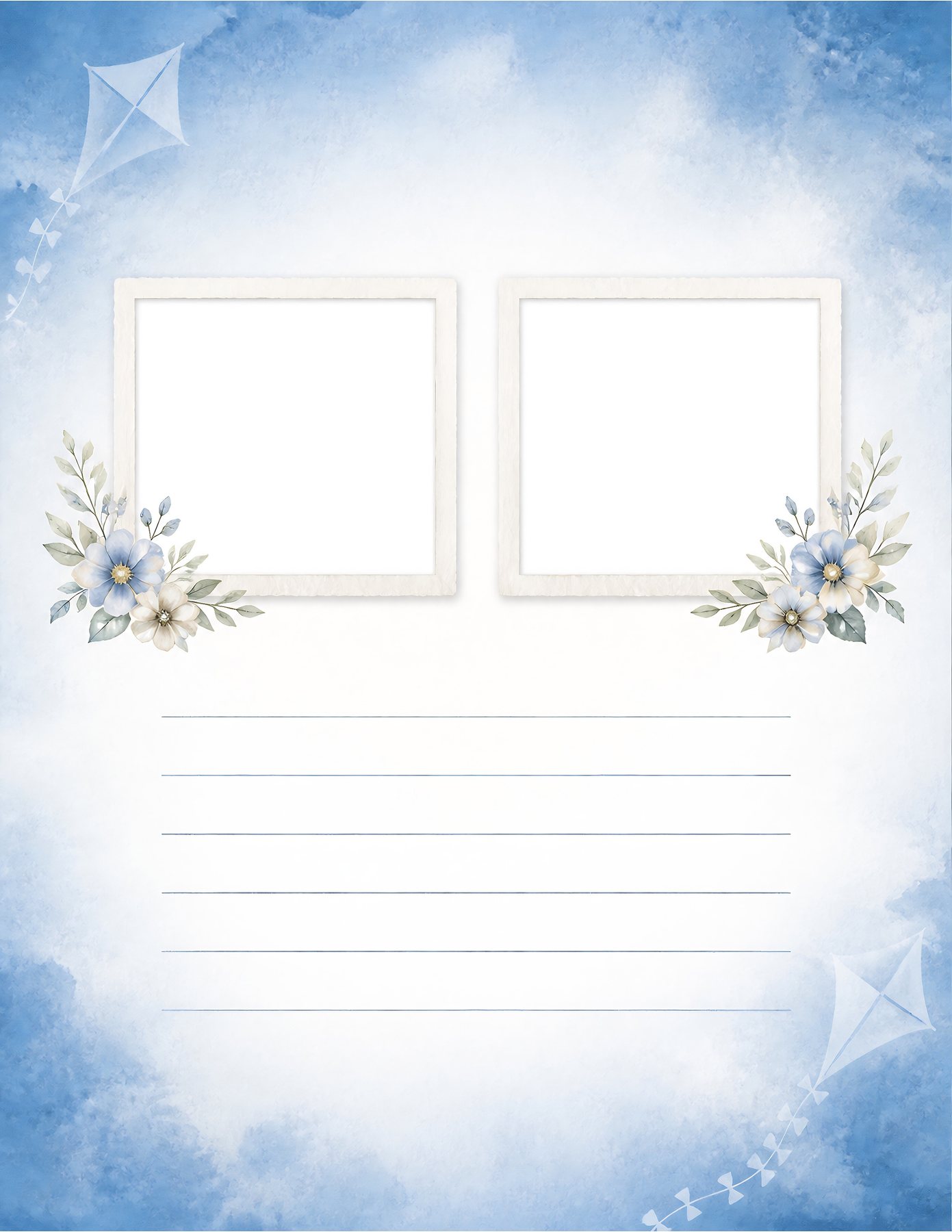
Related free samples: Browse free printable samples before choosing a full pack.
Explore ScrapBujo digital collections
Explore the related digital collection
Review the collection previews and current file details before choosing a format.

300 DPI Digital download
Digital Scrapbook Papers
Grandchildren Memories With Grandma And
Explore 40 coordinated digital scrapbook papers from the ScrapBujo Grandchildren Memories With Grandma…
Each product page identifies its checkout, current price, and digital delivery details.