
Botanical Wedding Scrapbook: A Garden-Inspired Keepsake Album Plan
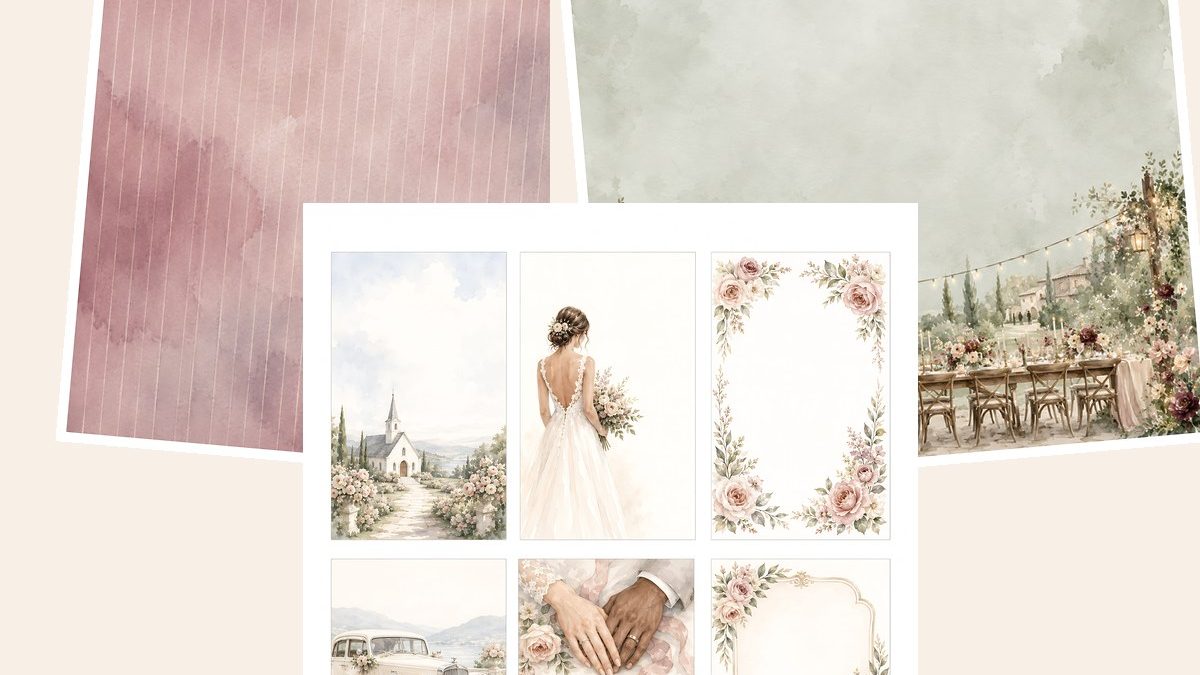
Quick answer: Build a wedding keepsake album by choosing what each item helps you remember, then arranging those pieces into a story. An invitation can establish the day, a bouquet photograph can recall its setting, and a selected note can bring in another person’s voice. A photo, scan, transcription, or caption can include the detail while leaving the original out of the layout.
Choose the story before choosing the order
Start with a question that matters to you: How did the day unfold? Who helped make it feel like yours? Which small details would be hard to recall later? The answer gives each keepsake a job. You do not need to include every paper item or photograph for the album to feel complete.
Make a short selection list before arranging pages. For each item, note what it records and what a reader might not know from the object alone.
| Keepsake | What it can record | Context to add |
|---|---|---|
| Invitation or program | Names, date, place, or wording chosen for the day | Why that wording or detail mattered to you |
| Bouquet photograph or flower detail | A color, person, or part of the setting you want to remember | Who chose it, who gave it, or where it appeared |
| Guest message, place card, or short note | A voice or relationship connected to the celebration | Who wrote it and when you received it |
| Small paper detail, such as a menu or seating card | A choice that shaped the gathering | What guests shared, ate, heard, or did |
This is a set of prompts, not a required inventory. Choose the pieces that add different information; several items that all say the same thing may not need separate space.
Decide how to represent each original
Before attaching anything, ask whether you want the original in the album or whether a scan, photograph, transcription, or separate caption will tell the story more clearly. A bulky item can be represented by a detail photo and a note about where the original is kept. For handwriting, you might use a readable copy and identify its writer, while storing the original separately.
For a botanical thread, repeat one small flower or leaf motif in a few places. Choose a shape that recalls a detail from the bouquet or venue, then use a nearby caption to explain why it matters. The motif can be a simple sketch or a detail in the digital paper you choose; you do not need to identify a plant by name.
Put the keepsakes in an order that explains them
Choose one organizing path and follow it consistently. A timeline can move from invitation and preparation to ceremony and gathering. A people-first sequence can introduce the couple, then the family members, friends, and guests whose notes appear. A detail-first sequence can begin with a small object, then explain the moment or person connected to it. The order should help someone understand why each item belongs.
Add a short caption where the object alone leaves a question. Record names, dates, relationships, or the story behind an unfamiliar detail. If you include a quotation, keep enough context to identify who said or wrote it; if you are unsure of the exact words, label it as a paraphrase or summarize the memory in your own words.
An invitation, a bouquet photo, and a guest note
One possible sequence opens with the invitation, then uses a bouquet photo to recall a moment from the day, followed by a guest note with the writer’s name. A small repeated leaf motif can connect the sections; short captions explain why each item is there. This is an illustrative planning example, not a reported ScrapBujo project or a physical test.
Use a simple selection worksheet
- Memory: What do you most want a future reader to understand about the day?
- Evidence: Which invitation, image, note, or small paper detail best supports that memory?
- Context: What name, date, relationship, or explanation would otherwise be lost?
- Format: Will the original, a copy, a transcription, or a caption tell it best?
- Sequence: What should appear immediately before and after it so the transition makes sense?
Lay out the selected items as loose placeholders first. Read the captions in order. If the story jumps, add a brief transition or move an item; if two pieces repeat the same information, keep the one that matters more to you. You can then decide which pages need decorative paper or a photo layout.
Related wedding paper guides
For a page-by-page blush and sage layout example, see the two-page wedding album plan. For choosing blush and sage papers around an existing photograph, read the paper-and-photo pairing guide. This article focuses on selecting and sequencing keepsakes and the context that gives them meaning.
To see floral digital scrapbook artwork, visit the Blush Garden Wedding collection or its free sample page. Collection images are digital paper previews, not photographs of a printed album.
Collection previews used in this guide
These are digital product previews from the Blush Garden Wedding collection. Check the collection page for the currently included files and formats.


Explore ScrapBujo digital collections
Digital paper collections for your next project
Explore coordinated digital collections on ScrapBujo, compare formats, and follow the checkout shown for the product you choose.

12×12 in 300 DPI Digital download
Digital Scrapbook Papers · Seasonal & Holidays
Aurora Ribbon Christmas: 40 Abstract Scrapbook Papers
40 coordinated abstract Christmas and winter scrapbook papers in 12 × 12 inch…
12×12 in 300 DPI Digital download
Digital Scrapbook Papers
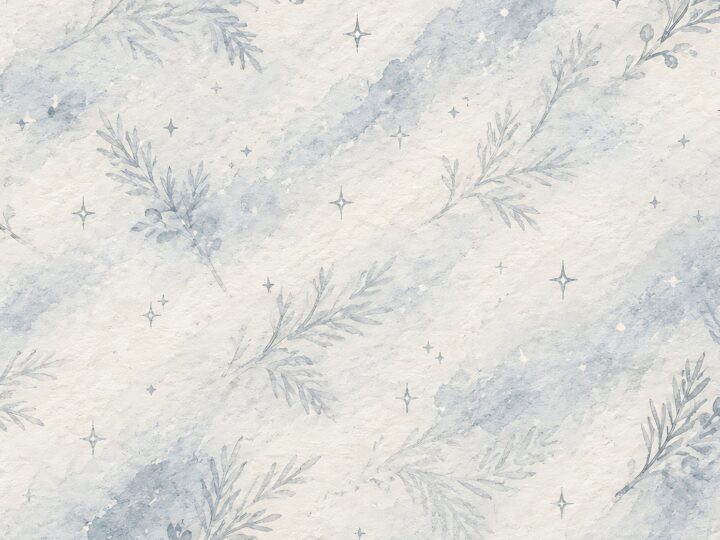
Alpine Knit Winter — 40 Digital Scrapbook Paper Designs
40 alpine winter paper designs in 12 × 12 inch and US Letter…
12×12 in 300 DPI Digital download
Digital Scrapbook Papers
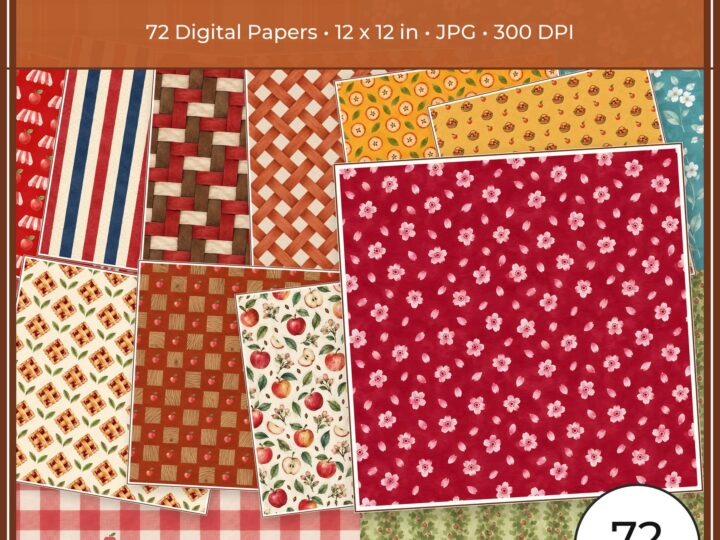
Apple Orchard & Cider Harvest Digital Papers
Build an apple-picking scrapbook page, journal entry or recipe card with 72 square…
Each product page identifies its checkout, current price, and digital delivery details.