Pen Pal and Postal Journal Pages: A Better Way to Keep Letters and Replies

A postal journal needs to answer three questions: which letter arrived, where you put it, and what you want to reply to. Start with a short log and a storage reference. Add decorative paper after the system works.
About this guide: This is a suggested correspondence system, not a supplied tracker PDF, pocket template or tested album. The featured image is an AI-assisted mockup using the collection previews.
Give each letter a reference you can find again
Use a simple reference such as “PAL-A-001” on your journal entry and on a separate storage folder or sleeve label. Keep marks off an original letter you want to preserve. The next letter from the same person becomes “PAL-A-002.” The reference connects your notes to the physical letter without requiring you to paste it into the notebook.
Use initials or a nickname on pages you might photograph. Keep postal addresses in a separate private address book. A scrapbook shared online does not need to show the envelope’s address.
Make an incoming-mail log
You can rule these columns into a notebook or type them in a document. This is an example of information to record, not a downloadable form:
| Field | What to write |
|---|---|
| Reference | Your letter ID, such as PAL-A-001. |
| Received | The date it arrived. Keep the date written on the letter separately if different. |
| Reply notes | One question to answer and one detail you want to follow up. |
| Status | To reply, drafting, sent or no reply planned. |
| Sent | The date you actually mailed the reply; leave blank until then. |
| Stored in | A folder name, box section or album page you can locate. |
Keep the log brief enough to update when you open the mail. For a different first-person approach, LetterMo’s correspondence journal pairs received and sent entries. Choose a method you can maintain, rather than adding fields you never use.
A journal page for one exchange
Incoming: what you want to remember
Write the reference, sender’s chosen name and arrival date. Add a short summary in your own words and leave room for questions. If a letter mentions several events, choose the details you want to return to rather than copying every line.
Outgoing: what you actually answered
When the reply is mailed, add the sent date and a short note about the topics you covered. If you keep a copy of your reply, give it the same exchange reference with “reply” added. That makes it easier to remember whether you already told a story or asked a question.
Storage: where the letter lives
Record a location that makes sense in your own collection. “Blue box, PAL-A folder” is more useful than “saved.” If you move the letter later, update that field. Keep envelopes with their letters when their postmark or other details matter to the exchange.
Keep originals removable
For decorative journal pages, use a reproduction or your own summary while storing important originals separately. The National Archives guidance for family papers explains suitable storage and mounting materials. Digital background designs do not establish the preservation qualities of your printed paper, ink, adhesive or sleeve.
Measure the actual letter or storage sleeve before choosing an album. Do not fold an original again just to fit a decorative page. If you use a handmade pocket for a copy, check the fit and retrieval with scrap paper first; the digital collection below does not supply a fitted pocket pattern.
Use postal paper around the writing
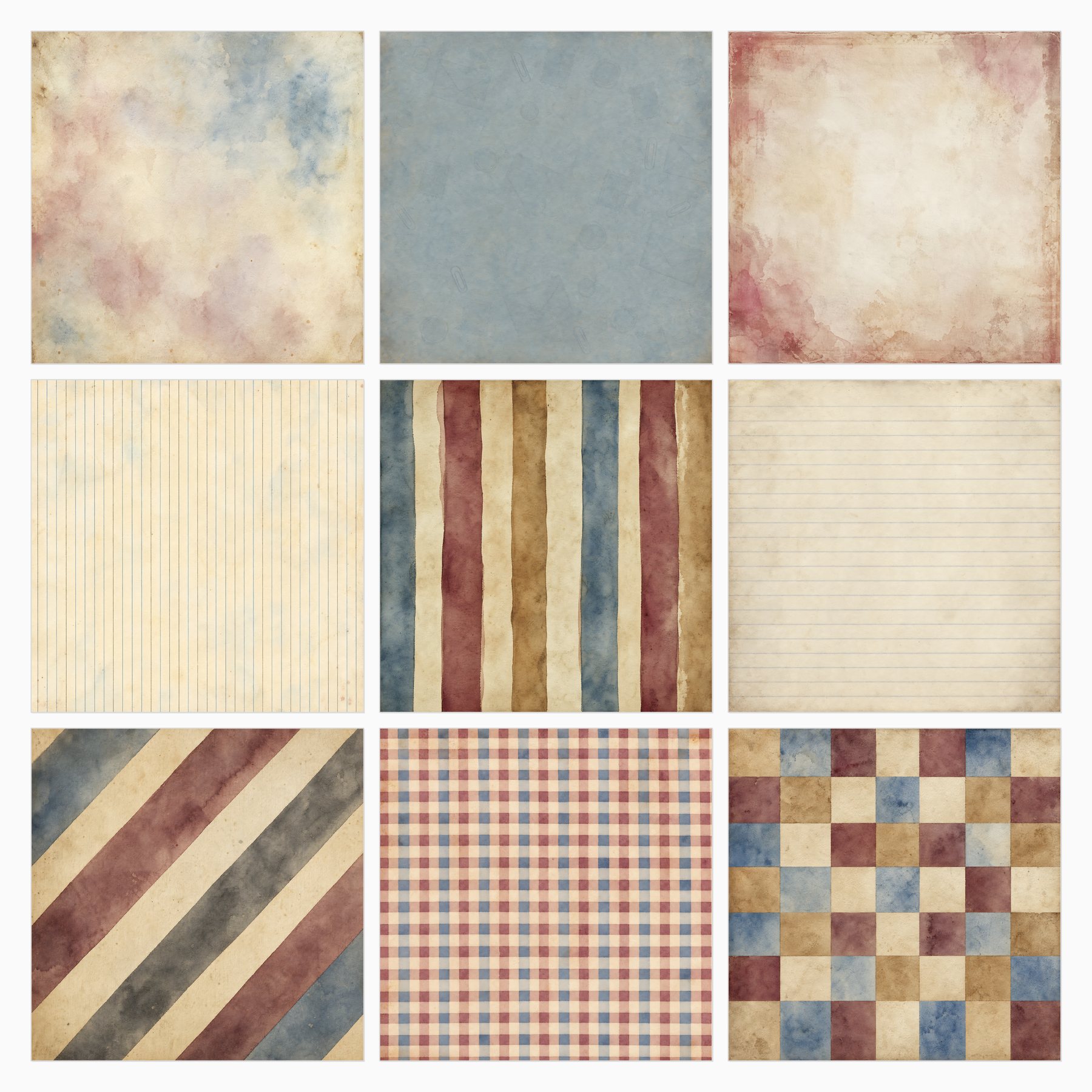
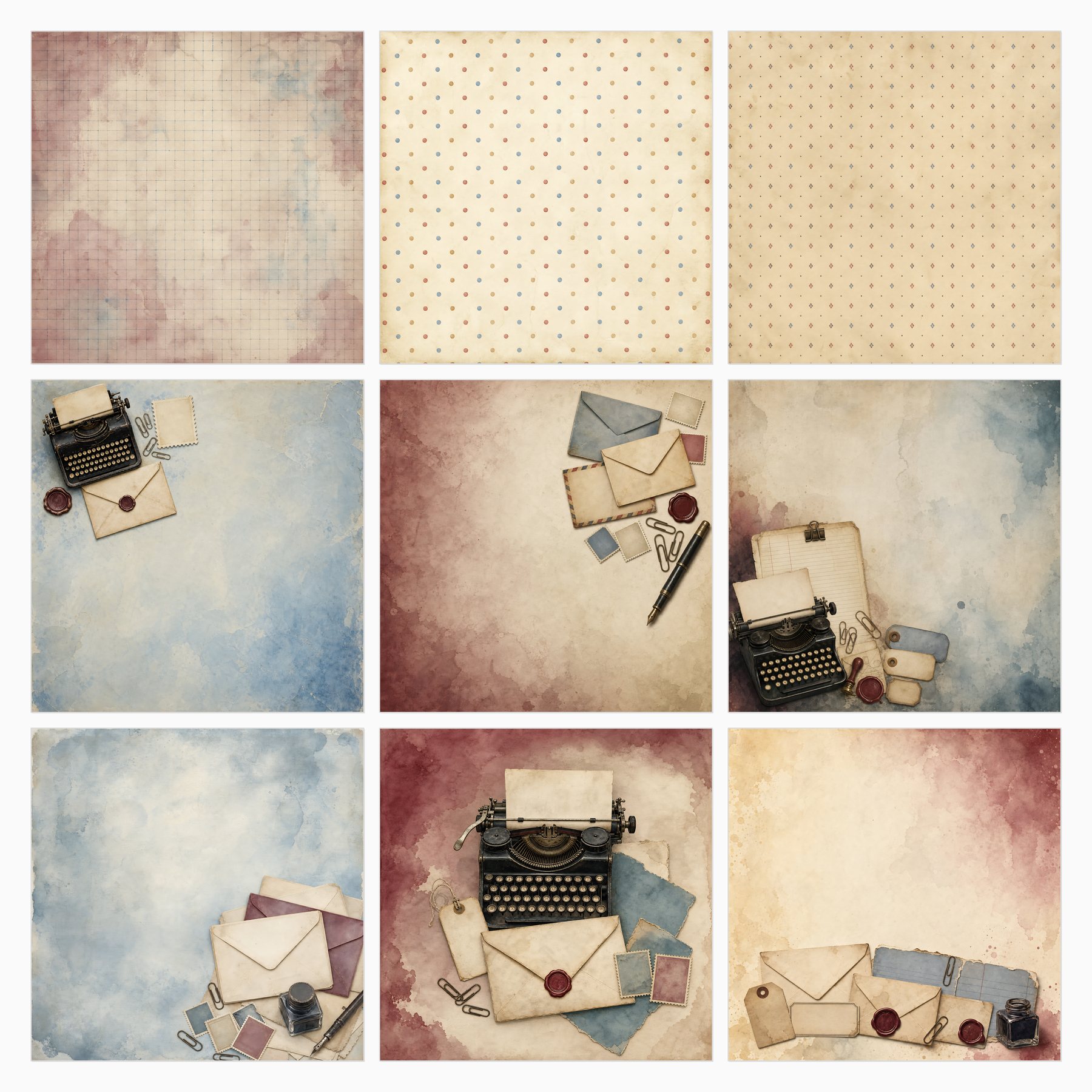
Keep the log and reply notes on a plain area. A patterned strip, title panel or border can connect the pages visually without making dates hard to read. Choose the notebook or album size first, then use the square design as an accent if a full-size background will not fit.
If you are looking for something to write rather than a way to file received letters, use our pen pal letter ideas. This page is for keeping the exchange organized after correspondence begins.
When several letters need replies
Review the entries marked “to reply.” Pick one letter, read your notes and update its status when you start drafting. Do not mark it sent when the draft is finished; record that only after mailing. If you decide not to reply, write that status so a blank date does not keep looking like an unfinished task.
Postal journal questions
What if a letter has no date?
Record your received date and write “letter undated.” If the envelope has a readable postmark, note it as a postmark date, not as the writer’s date. Keep those different events separate.
Should I keep a copy of every reply?
A brief summary may be enough for remembering the conversation. If you choose to save copies, connect them with the letter reference and keep them private. Ask before publishing someone else’s correspondence or personal details.
How do I start with a pile of old letters?
Start with the letters currently waiting for a reply. Add older letters by sender as time allows, using known dates and marking missing ones. You do not need to reconstruct the entire archive before the next exchange can be recorded.
Is a printable tracker included with the paper collection?
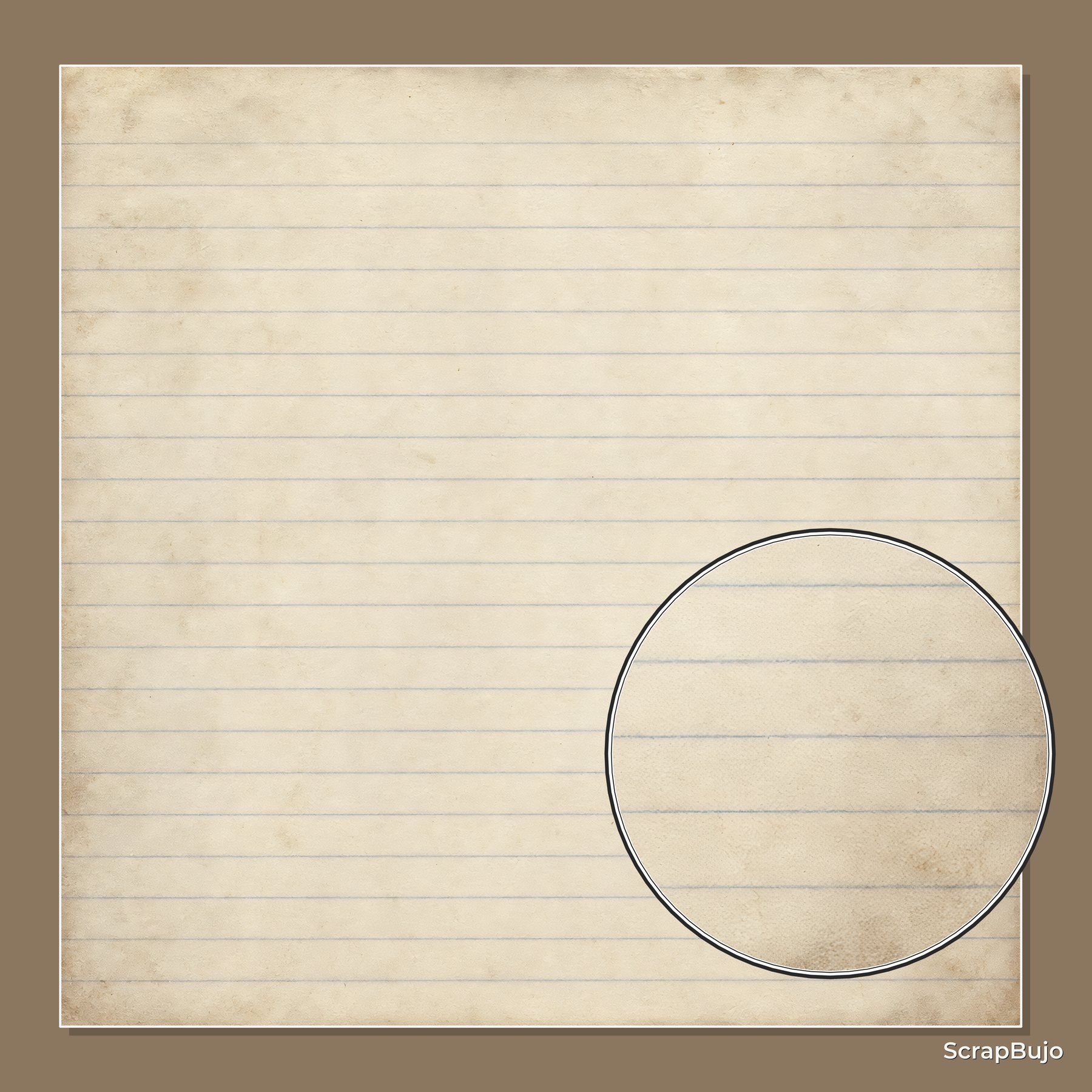
This guide proposes a log you can make yourself. Do not assume a tracker, lined letter sheet, envelope or pocket template is included in a digital paper pack; check the exact collection and listing details below.
Collection previews used in this guide
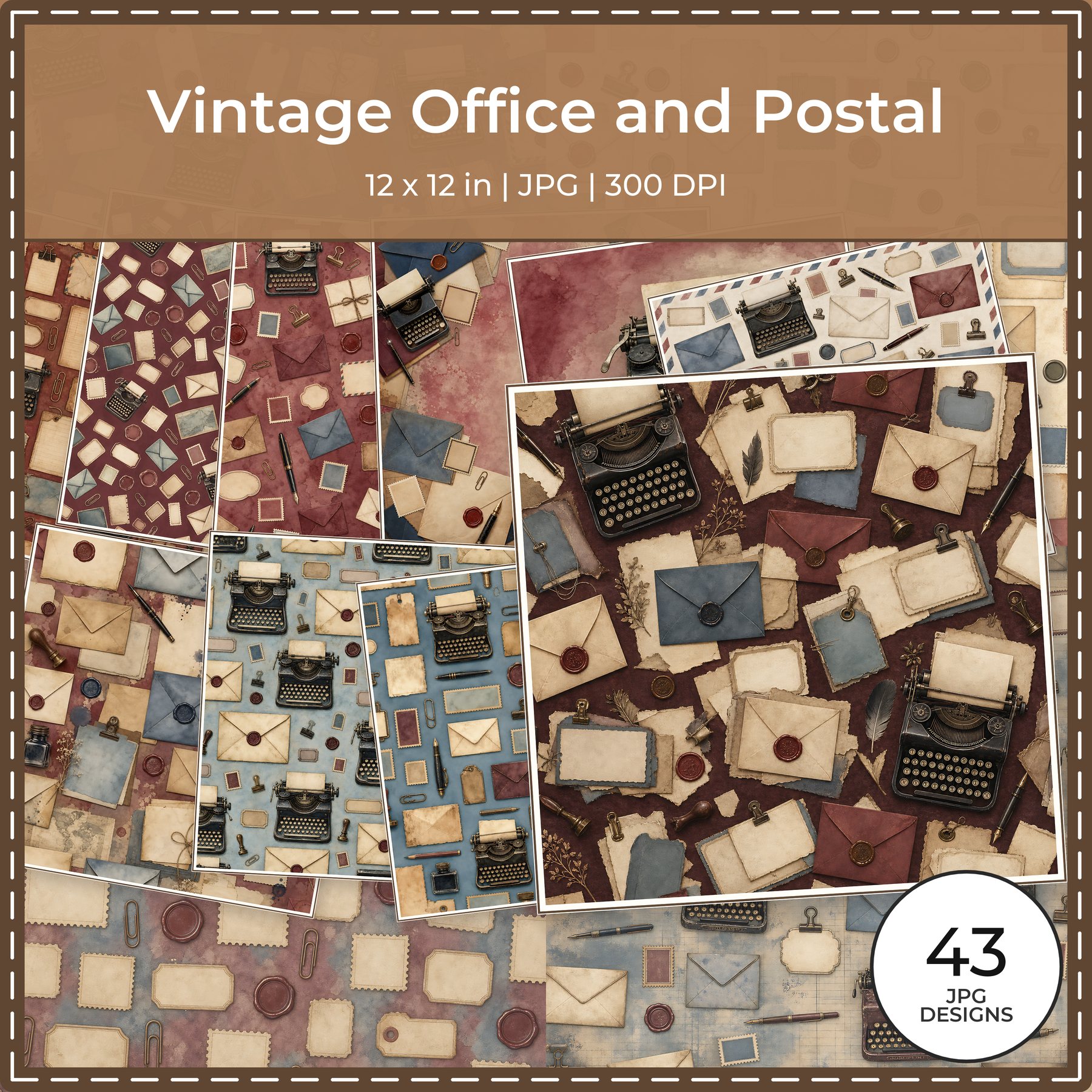
These are current ScrapBujo collection previews, not substitute artwork. They show the paper surfaces and formats discussed below.
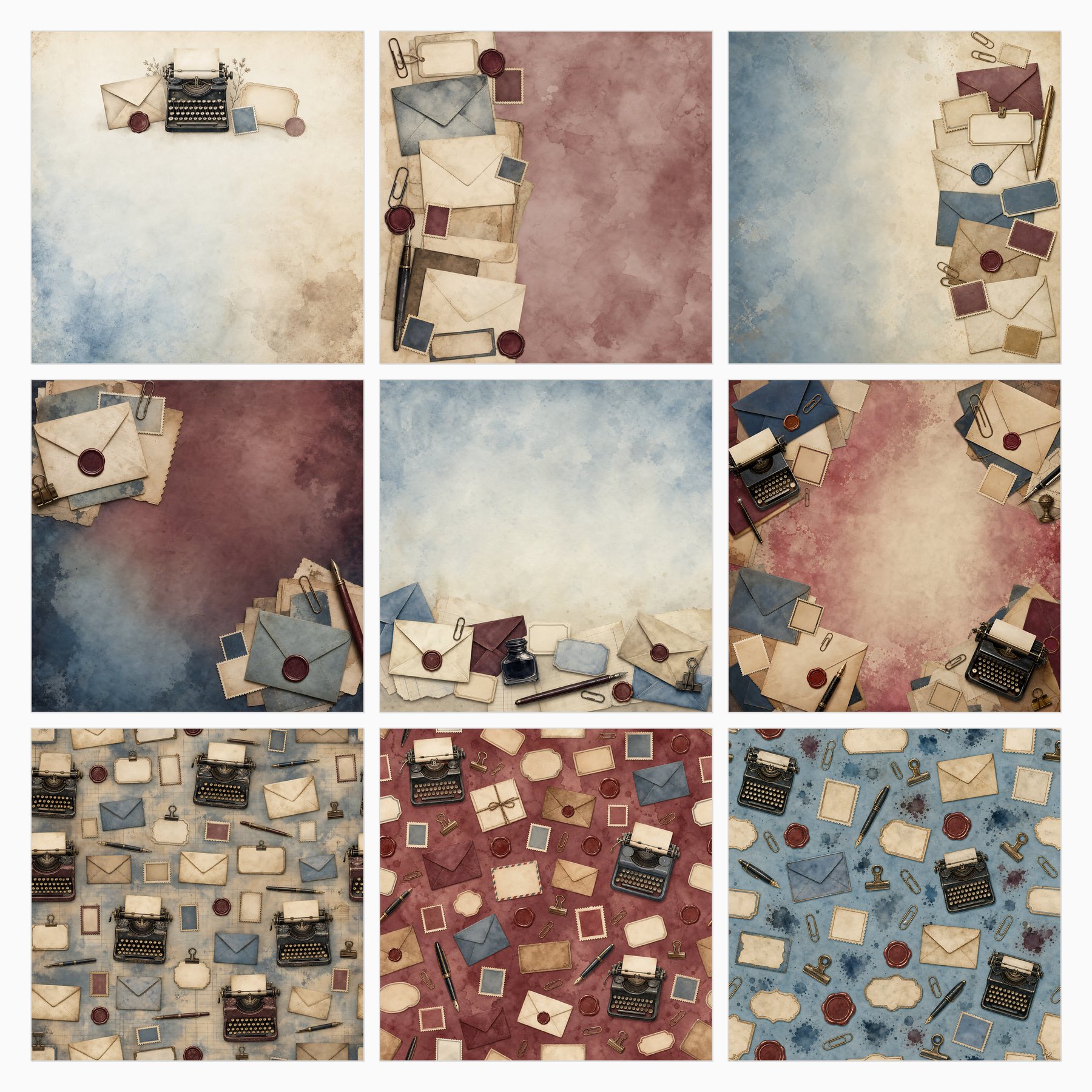
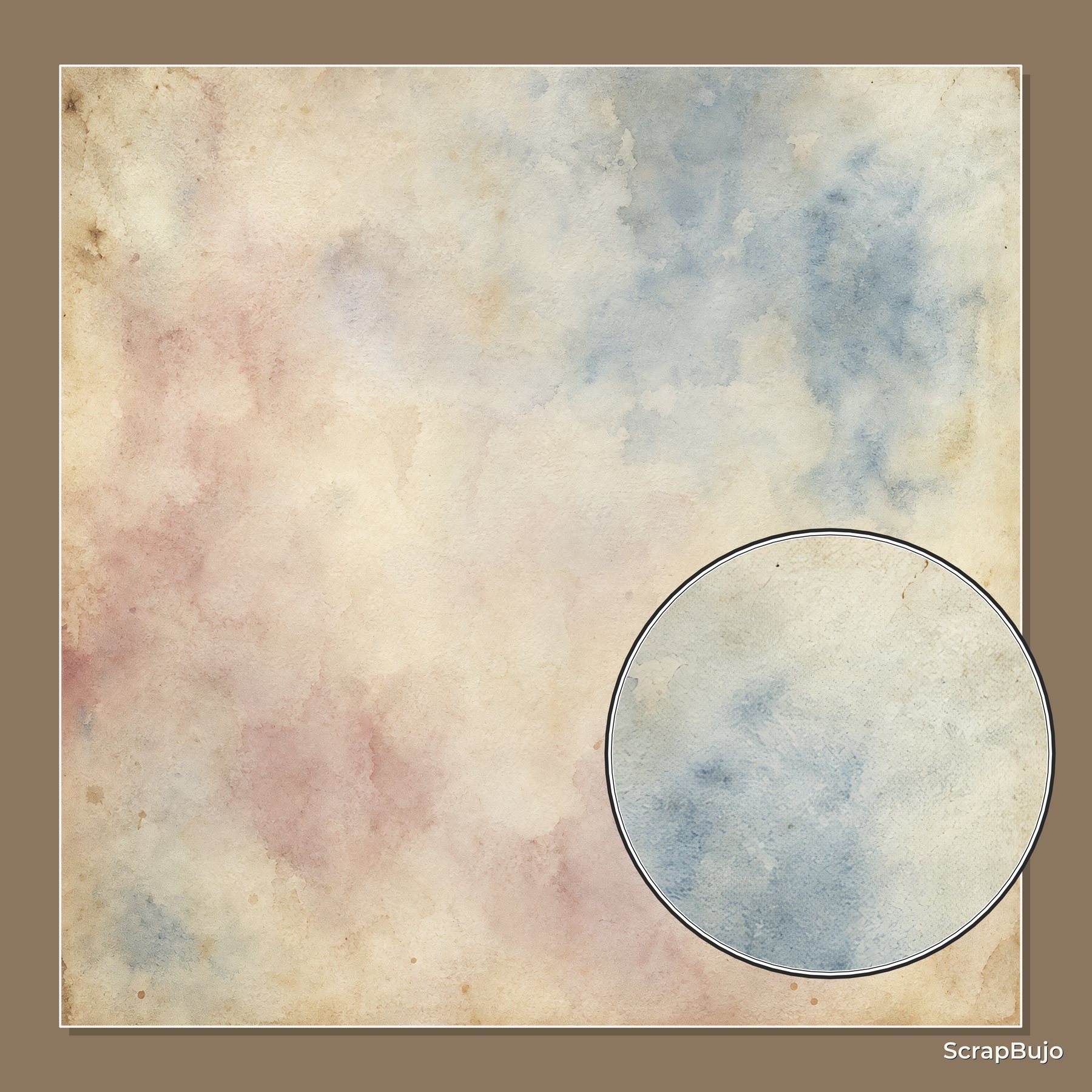
Related free samples: Browse free printable samples before choosing a full pack.
Explore ScrapBujo digital collections
Explore the related digital collection
Review the collection previews and current file details before choosing a format.

12×12 in 300 DPI Digital download
Vintage & Cottagecore
Vintage Office and Postal Digital Scrapbook Papers
Explore 40 square JPG scrapbook papers and 3 white-background JPG illustration sheets with…
Each product page identifies its checkout, current price, and digital delivery details.