
12 Fall Junk Journal Page Ideas for Photos, Notes and Keepsakes
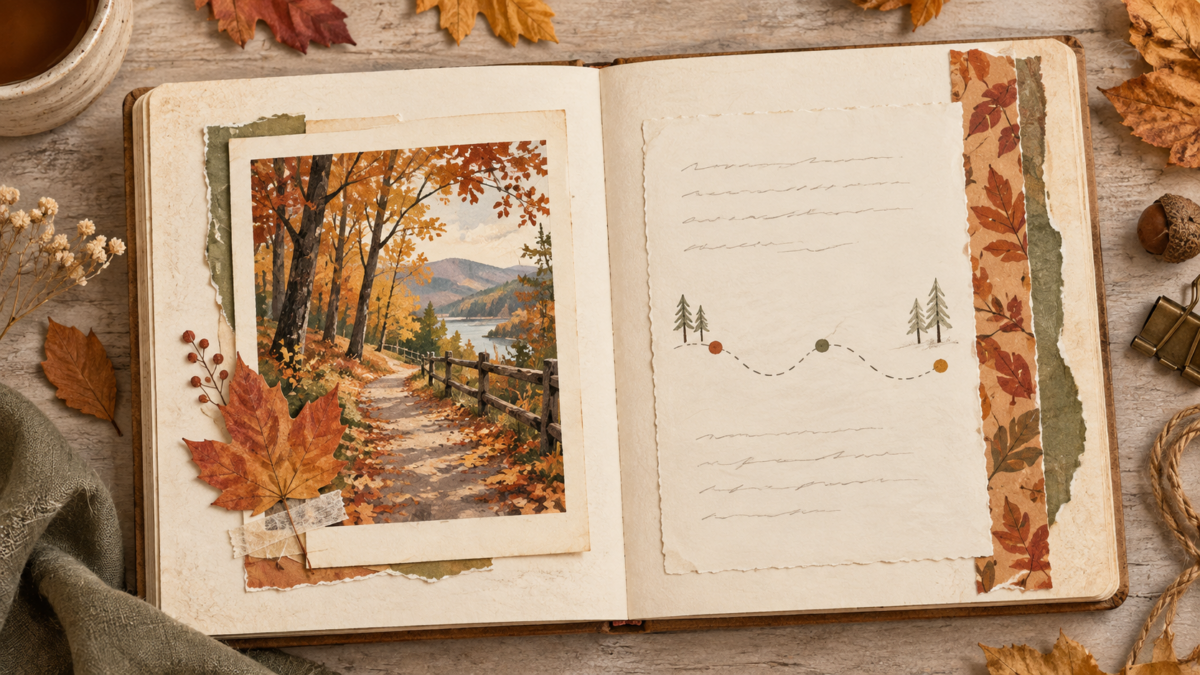
Quick answer: Build a fall junk journal page around one memory, then give the photo, keepsake and handwriting separate places to land. These 12 page plans pair a different composition with a small technique and a prompt you can answer from your own season.
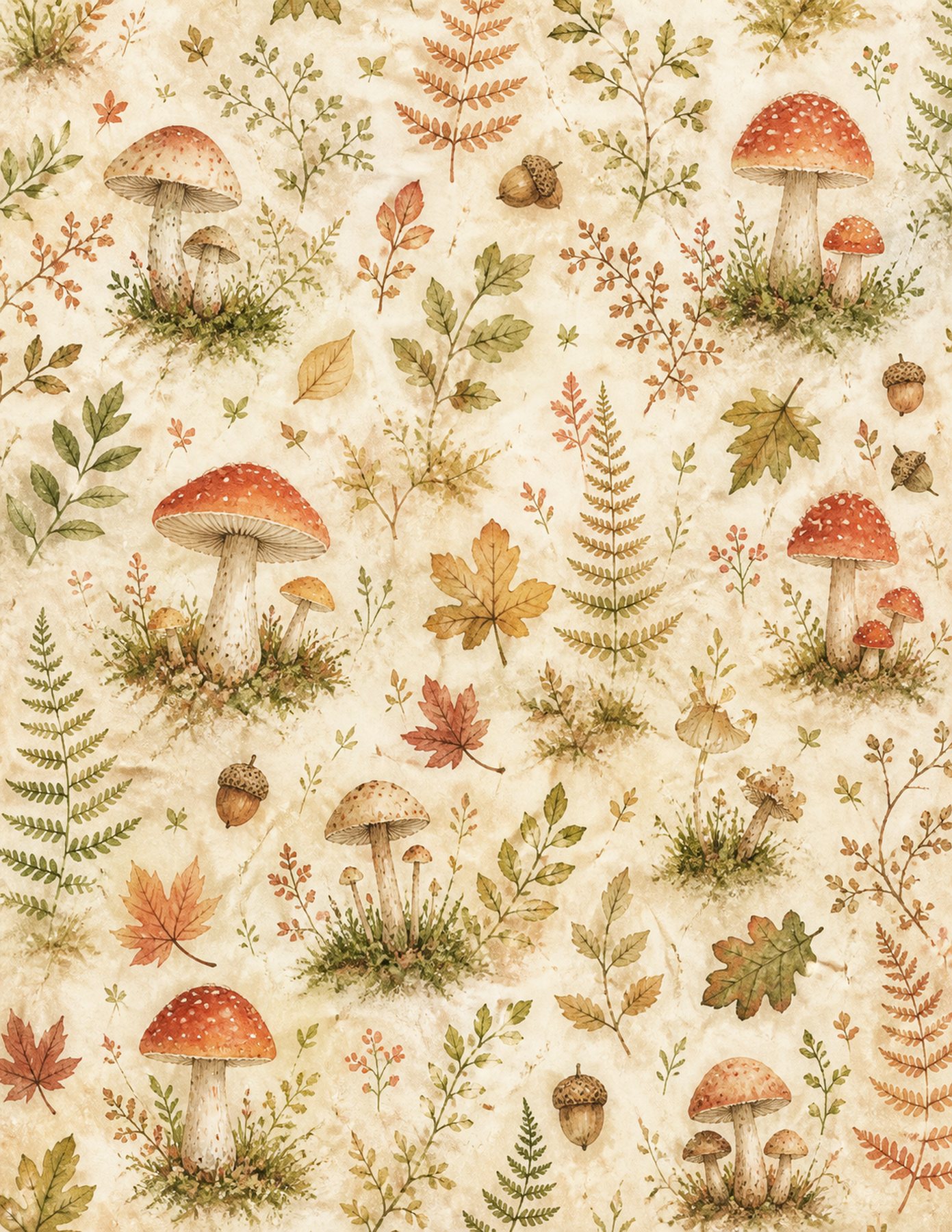
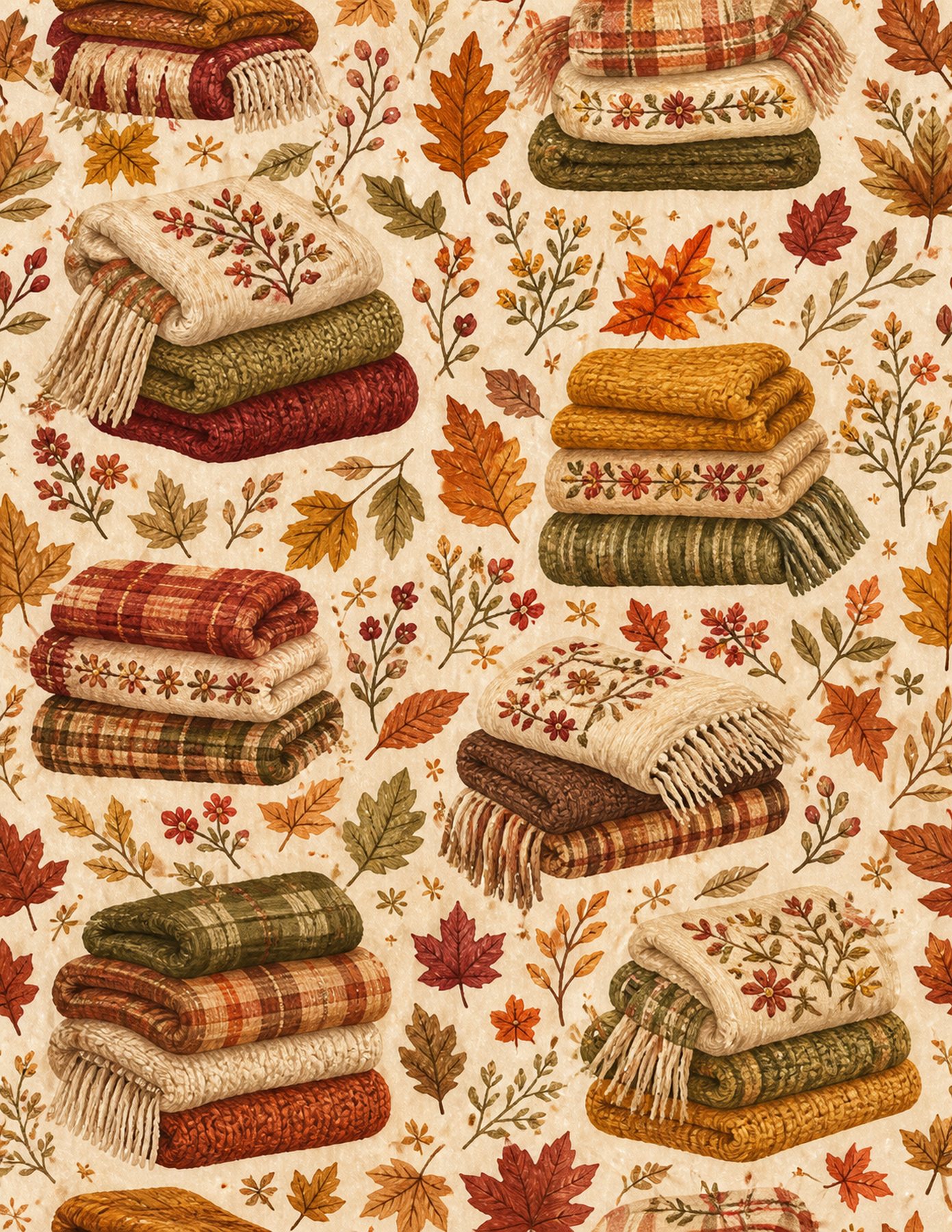
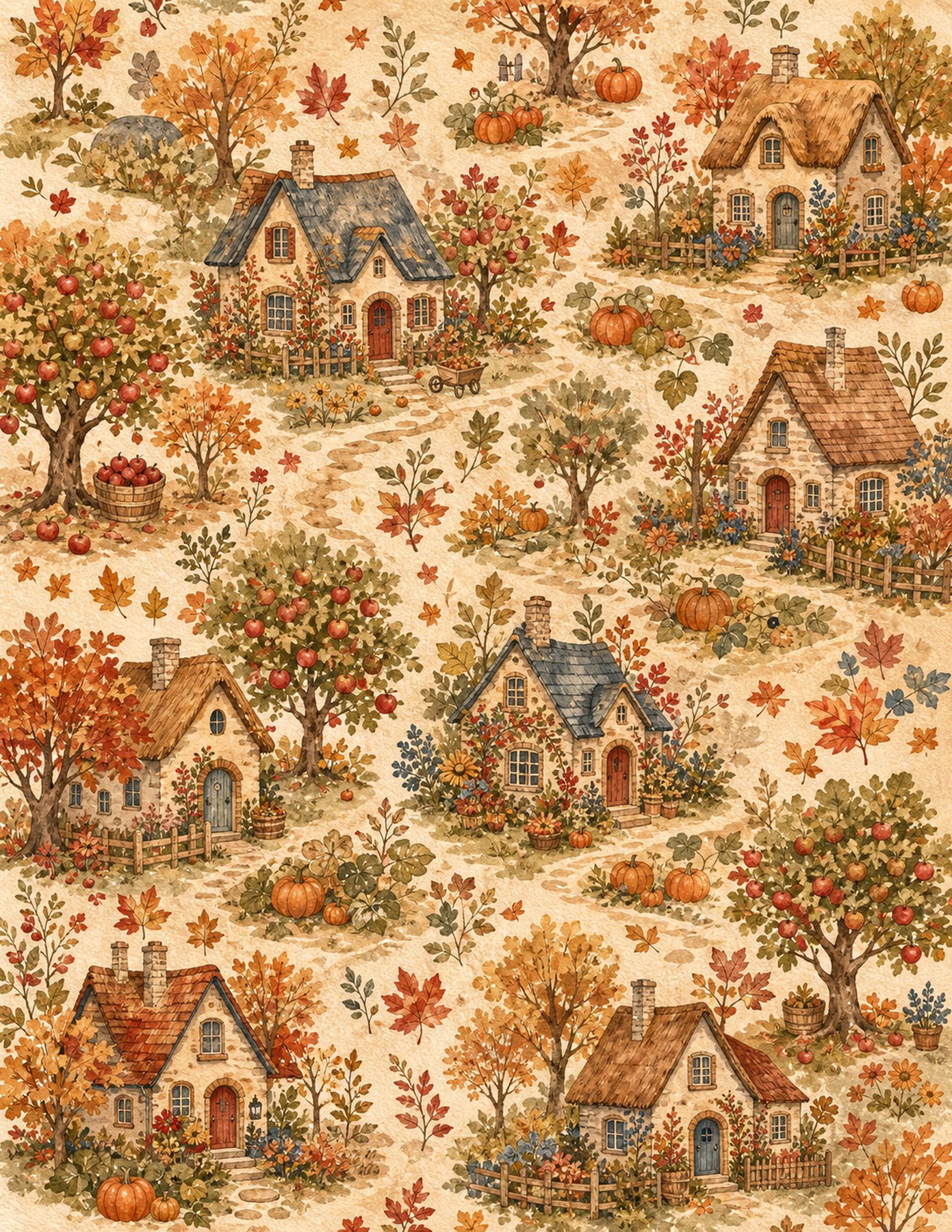
About the visuals: The featured image is an AI concept mockup of one possible autumn page arrangement. It is not a photograph of a finished journal, a print test, a supplied template or an image from the collection. The collection previews below show the product papers; they do not depict the 12 proposed layouts. Each idea here is written planning guidance to adapt with materials you already have.
12 fall junk journal page ideas
1. A windowpane for one small moment
Composition: Divide the page into four open rectangles with two crossing paper strips. Put a small photo or keepsake in one pane, a date in another and leave the remaining panes for short notes.
Try this: Make the crossing strips the only strong pattern; keep the four spaces visually calm. This grid gives separate details room without turning each one into a full page.
Prompt: What ordinary moment from this week would you like to remember later?
2. A leaf-color index without collecting leaves
Composition: Set three narrow color swatches down one side and place a short seasonal note beside each. Use paper scraps, colored pencil marks or colors you notice outdoors; the swatches do not need to be actual leaves.
Try this: Keep the swatches the same size and label each with a plain color word. A simple repeated shape makes the page feel organized while the colors carry the seasonal mood.
Prompt: Which three colors keep showing up around you this fall?
3. A receipt pocket with a visible label
Composition: Place a flat pocket along the bottom edge and let one receipt or ticket peek above it. Add a small label next to the pocket so the date or place is visible without pulling the keepsake out.
Try this: Test the keepsake inside the folded paper before attaching anything. Leave enough of it visible to recognize, and keep the label outside the pocket so the memory has context at a glance.
Prompt: What did this small purchase or ticket help you do that day?
4. A tea-and-reading page with a quiet center
Composition: Put a narrow paper border around a large central writing area. Add one small book title, tea tag or reading note in a corner rather than arranging several objects around the whole page.
Try this: Let the open center carry the entry. If you have a physical tea tag or book note, check that it is clean and safe to keep before adding it; a handwritten label works just as well.
Prompt: What line, idea or quiet pause stayed with you?
5. A three-stop walk map
Composition: Draw a loose route across the page with three dots: where you started, one place you paused and where you turned back or finished. Put a tiny note at each stop instead of trying to draw a precise map.
Try this: Use a curved line or a few connected dashes so the route reads as a sequence. Add a small photo at just one stop; the other two can be words.
Prompt: Which small detail made you slow down during a walk?
6. A harvest inventory in three columns
Composition: Make three short columns labeled “made,” “found” and “shared.” Add one or two entries under each and leave a strip at the bottom for the date or a closing thought.
Try this: Keep the entries brief—an object, a meal, a place or a gesture. The fixed labels help turn a broad season recap into a manageable list.
Prompt: What did you make, notice or share this month?
7. A textile-texture corner study
Composition: Group two or three small fabric or paper scraps in one corner and leave the rest of the page for a note about where each texture came from. If you do not have scraps, sketch the textures with simple lines.
Try this: Keep the materials together as one cluster rather than scattering them across the page. Check that bulky or rough pieces will sit comfortably in your journal before attaching them.
Prompt: Which texture or fabric reminds you of a particular place?
8. A five-senses list with one fold-over flap
Composition: Write five short sensory cues—one each for sight, sound, smell, taste and touch—on a narrow card. Place a single paper flap over the list so the page has one simple reveal.
Try this: Fold a scrap over the card and check that it opens without covering neighboring writing. The flap is an optional paper arrangement, not a supplied template; a flat list works if you prefer less bulk.
Prompt: What did this season sound or smell like in one specific moment?
9. An autumn doorway portrait
Composition: Frame one portrait or place photo with a doorway-shaped border: two vertical strips and a top strip. Put the date or location below the frame and leave one side open for a brief caption.
Try this: Lay the frame pieces around the photo first and adjust until the image has breathing room. The border can suggest a doorway without covering the photograph or requiring measured dimensions.
Prompt: Who was there, and what do you want to remember about being together?
10. A recipe-in-progress card
Composition: Set a recipe card on one side of the spread and reserve the other side for what changed: an ingredient swapped, a step to repeat or a note for next time. Keep the card removable if the recipe is still evolving.
Try this: Separate the actual instructions from the memory note. That makes the page useful in the kitchen and keeps the personal detail from getting lost in a long recipe.
Prompt: What would you keep the same or change the next time?
11. An evening-light photo with a caption rail
Composition: Place one evening photo in the upper half and add a slim caption rail below it for the time, place and one sentence. Leave the opposite corner mostly open instead of filling it with extra decoration.
Try this: Check whether the photo and caption have enough contrast against the paper. If the image edge disappears, move it to a calmer area or add a simple mat from a scrap.
Prompt: What changed in the light as the day ended?
12. A Sunday reset list with a small envelope
Composition: Write one thing to keep, one thing to finish and one thing to make room for on a small card. Add a simple paper envelope or folded flap for the card at the bottom of the page.
Try this: Keep the three lines visible even when the card is tucked away—write their headings on the page and the details on the card. This gives the layout a useful surface and a place for private notes.
Prompt: What would make next week feel a little more settled?
Choose an idea that fits the memory
Start with the photo, ticket, note or moment you want to keep. Pick the layout that gives it enough space, then choose one paper accent. Move the pieces around before using adhesive, and leave room for the words you actually want to write. These are flexible page plans, not tested prototypes; adapt them to your journal and materials.
If you are deciding which paper to use, see the current Autumn Cottagecore Harvest Journal collection details and check the exact Etsy listing for current files, price, delivery and use terms. Collection preview images show the papers, not completed examples of these layouts.
Want to try the mood first? Open the free Autumn Cottagecore Harvest Journal paper samples. For print-resolution terms, see what 300 DPI means for printable scrapbook paper. Our 12×12 printing guide applies to square paper formats; check the specific collection and printer before using size-specific steps.
Autumn Cottagecore Harvest Journal paper previews
These collection previews show selected product papers. They are not photographs of the page layouts described above.
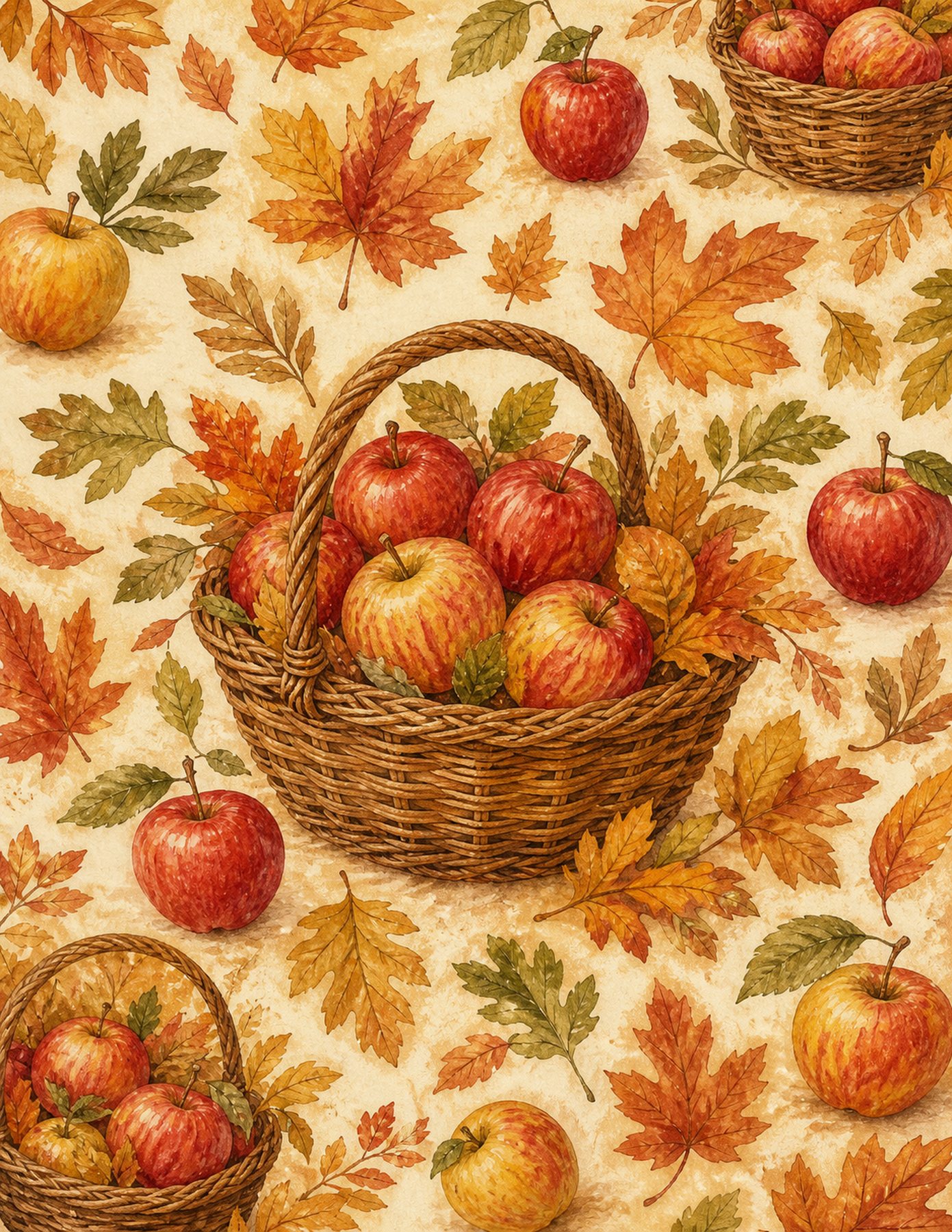
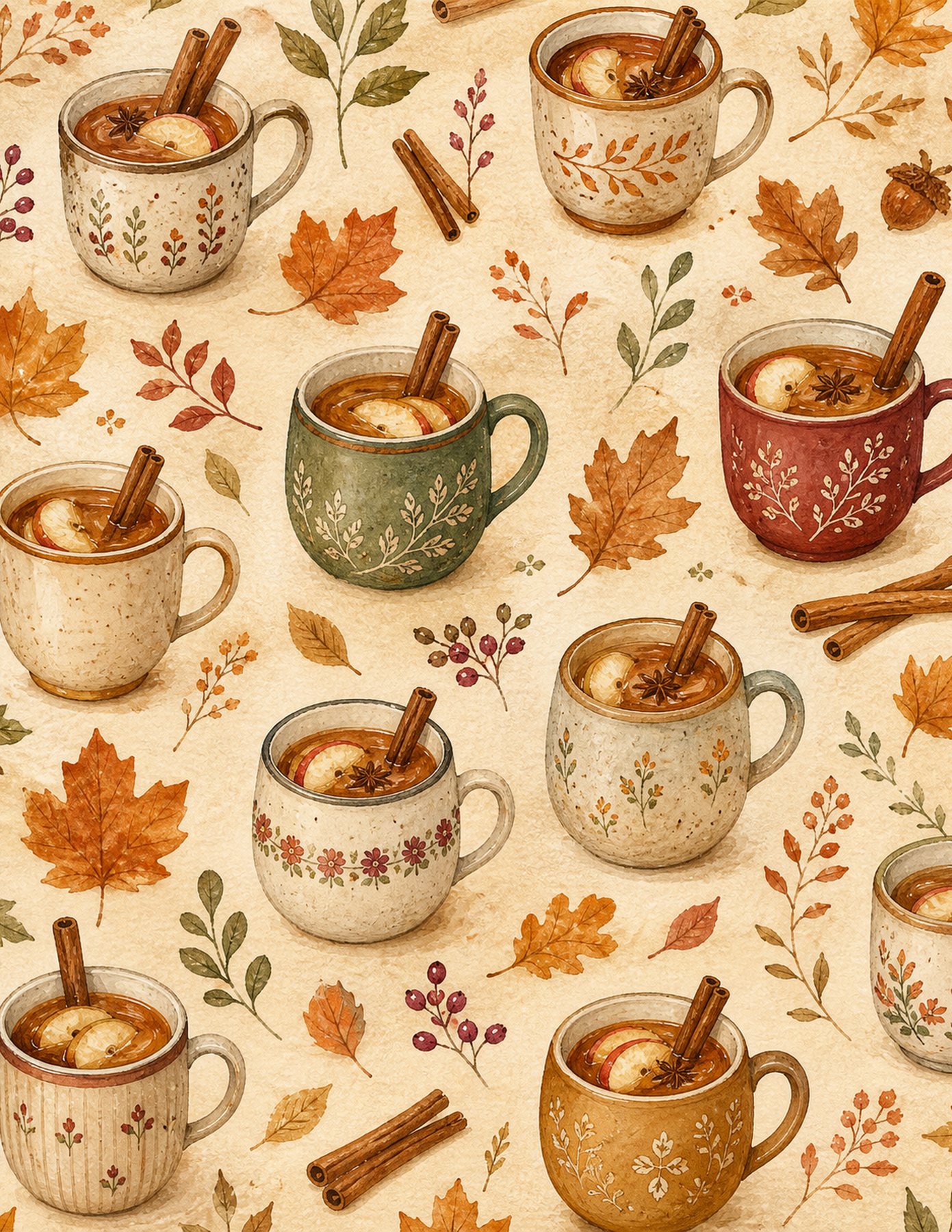
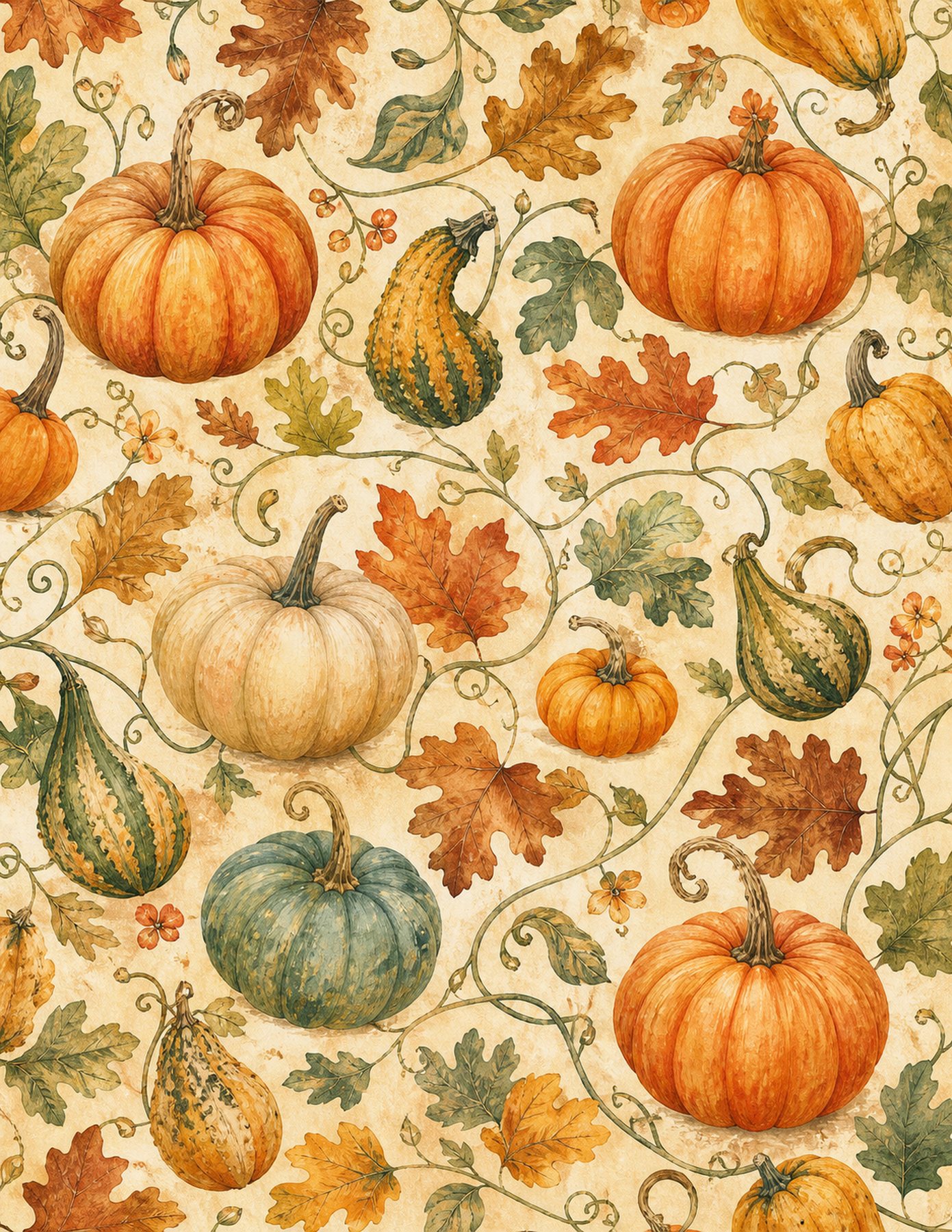
Related free samples: Browse free printable samples before choosing a full pack. Check the current offer page for any currently available offer.
Explore ScrapBujo digital collections
Explore the related digital collection
Review the collection previews and current file details before choosing a format.
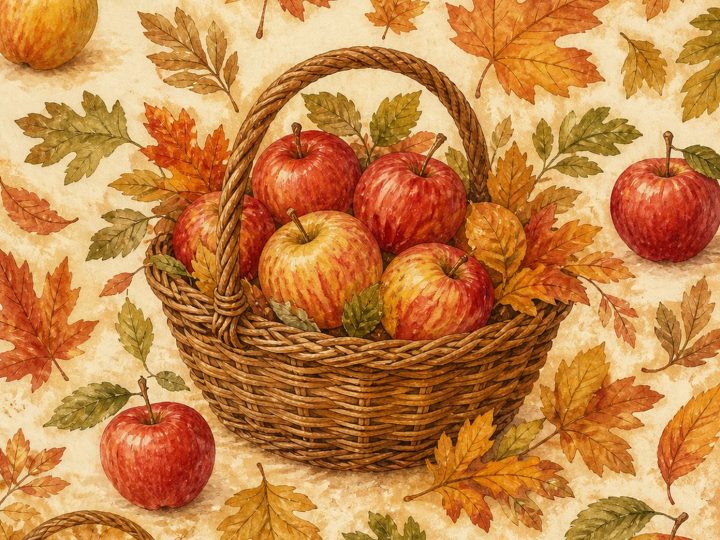
300 DPI Digital download
Digital Scrapbook Papers · Junk Journals
Autumn Cottagecore Harvest Journal
Explore the Autumn Cottagecore Harvest Journal: 24 US Letter scrapbook papers, 36 transparent…
Each product page identifies its checkout, current price, and digital delivery details.